Deutsch
  Русский
  Español
  Italiano
  Français
  Portuguese
  Türkçe
  Ελληνικά
  >
>
How do lease mileage limits affect the cost you pay?

Lease mileage limits are major determinants of how much you pay for a leased car. The number of miles included in your lease agreement directly affects your monthly payment and potential end-of-lease charges. If you drive more than the allotted mileage, you will likely face excess mileage fees that can add hundreds or even thousands of dollars.
Many drivers focus on monthly payments when choosing a lease. However, mileage allowances deserve equal attention. In this blog, we will go through all the necessary details about lease mileage and give you tips that will change your driving experience.
What are lease mileage limits and how do they work?
A car lease mileage limit is the maximum number of miles you are allowed to drive during the lease term. If you exceed these numbers, you will pay extra charges. Leasing companies set these limits to control a vehicle’s depreciation. The more miles you drive, the more your car depreciates.
Most leasing agreements in the United States include annual mileage allowances. Common examples include:
- 10,000 miles per year
- 12,000 miles per year
- 15,000 miles per year
For a three-year lease, these allowances translate to:
| Annual Allowance | Total Miles |
| 10,000 | 30,000 |
| 12,000 | 36,000 |
| 15,000 | 45,000 |
When you exceed the agreed mileage, the leasing company typically charges a fee for every additional mile. These charges often range between 15 and 30 cents per mile.
For example, if you exceed your allowance by 5,000 miles and your contract charges 25 cents per mile, you would owe an additional $1,250 at the end of the lease.
Why lease car mileage limit requirements matter
A lease car mileage limit affects more than just your end-of-lease bill. It also influences your monthly payment from day one.
Leasing companies estimate a vehicle’s future value based on expected usage. When a car accumulates fewer miles, it generally retains more value. Since the leasing company expects the automobile to be worth more at lease end, they can offer lower payments.
If you request a higher mileage allowance, the company assumes greater depreciation and adjusts the lease cost accordingly.
In simple terms:
- Lower mileage often means lower monthly payments.
- Higher mileage usually means higher monthly payments.
- Exceeding mileage limits creates additional fees.
- This relationship explains why choosing the right mileage package is so important.
How many miles are in a 3 year lease?
The answer depends on the lease agreement, but most standard leases include between 30000 and 45000 total miles over three years.
Typical examples include:
- A 10000 mile annual allowance equals 30000 miles over three years.
- A 12000 mile annual allowance equals 36000 miles over three years.
- A 15000 mile annual allowance equals 45000 miles over three years.
According to automotive industry data, 12000 miles per year remains one of the most common lease structures in the United States because it closely matches average personal driving habits.
Before signing any agreement, calculate your expected driving needs. Consider commuting, weekend trips, vacations, and family travel. A realistic estimate helps prevent expensive overage charges later.

How much do extra miles cost at the end of a lease?
Many drivers underestimate how quickly excess mileage charges can accumulate.
Common overage rates include:
| Extra Mileage Charge | Cost for 5000 Extra Miles |
| 15 cents per mile | $750 |
| 20 cents per mile | $1000 |
| 25 cents per mile | $1250 |
| 30 cents per mile | $1500 |
Imagine a driver who travels 17000 miles annually but signs a lease allowing only 12000 miles per year. Over three years, they exceed the limit by 15000 miles.
At 25 cents per mile, the charge becomes:
15000 × $0.25 = $3750
That amount could exceed the savings they gained from choosing the lower mileage plan.
How to estimate the right mileage allowance
Many people simply guess how many miles they will drive. This approach often leads to problems.
A better method involves reviewing your recent driving history.
Check:
- Previous service records.
- Maintenance invoices.
- Insurance tracking applications.
- Vehicle odometer readings.
- Navigation app driving reports.
If your current car accumulated 14000 miles during the last year, selecting a 10000 mile lease probably does not make sense.
You should also consider future lifestyle changes.
Questions worth asking include:
- Will your commute increase?
- Are you planning a move?
- Do you expect more road trips?
- Will your family grow?
- Will you start a new job requiring additional travel?
- These factors can affect mileage significantly.
- Can you buy extra miles in advance?
Yes. Many leasing companies allow customers to purchase additional miles before signing the agreement.
This option often costs less than paying excess mileage penalties later.
For example:
- Additional miles purchased upfront may cost 10 to 15 cents each
- End of lease penalties may cost 20 to 30 cents each
If you know you will exceed the standard allowance, negotiating a higher mileage package upfront can save money.
Contact the leasing company and ask about available mileage options before finalizing the contract. Many drivers overlook this opportunity.
What happens if you drive fewer miles than allowed?
Driving fewer miles than expected can actually benefit you. A lower mileage car generally has:
- Higher resale value.
- Less wear and tear.
- Better market demand.
- Improved lease end condition.
Some leasing companies may even offer favorable purchase terms if you decide to buy the vehicle after the lease ends.
However, most contracts do not refund unused miles. If your agreement allows 45000 miles and you only drive 30000, you typically do not receive compensation for the unused portion.
That is why selecting a realistic allowance remains important.
Factors that affect lease pricing beyond mileage
Mileage plays a major role, but it is not the only factor affecting lease costs. The following are the important aspects:
- Vehicle value: Luxury vehicles often have higher lease payments because their depreciation can be substantial.
- Residual value: Residual value represents what the car is expected to be worth when the lease expires. Higher residual values often lead to lower payments.
- Lease term: Longer leases may lower monthly payments but can increase overall costs.
- Interest rate: Lease financing includes a money factor that works similarly to an interest rate.
- Manufacturer incentives: Automakers frequently offer leasing promotions that reduce monthly costs.
Understanding all these factors helps consumers compare leasing offers more effectively.
Should high mileage drivers lease a car?
The answer depends on driving habits and available leasing options.
Leasing may still work for high mileage drivers if:
- The lease includes sufficient mileage.
- The monthly payment remains affordable.
- The driver prefers newer vehicles.
- Maintenance coverage is included.
However, drivers covering 20000 to 25000 miles annually should carefully compare leasing versus buying.
In many situations, purchasing may be more cost-effective because excessive mileage charges can become substantial. A simple cost comparison can reveal which option provides better long-term value.

Common mistakes that you should avoid with mileage limits
Many consumers make avoidable errors when leasing.
They underestimate annual driving
People often focus only on commuting and forget weekend travel and vacations.
They choose the cheapest payment
A lower payment can seem attractive, but a restrictive mileage allowance may create larger expenses later.
They ignore contract details
Mileage charges vary between leasing companies. Always review the terms carefully.
They wait until lease end
Some drivers realize too late that they are exceeding their allowance. Monitoring mileage throughout the lease allows time to adjust driving habits or explore solutions.
Tips for staying within your mileage allowance
Staying under your limit becomes easier when you track usage regularly.
Helpful strategies include:
- Check your odometer monthly.
- Use smartphone apps to monitor miles.
- Plan long trips carefully.
- Share driving responsibilities when possible.
- Consider alternative transportation for certain journeys.
- A little planning can prevent significant end of lease charges.
Are lease mileage limits worth worrying about?
Absolutely. Mileage limits represent one of the most important parts of any lease agreement. A well-chosen allowance can save money and create a stress-free leasing experience. A poorly chosen allowance can result in unexpected fees and frustration.
The key is understanding your driving habits before signing the contract. Most drivers already have enough information from previous vehicle usage to make a reasonable estimate.
Taking a few extra minutes to calculate expected mileage can prevent costly surprises and help you choose the most suitable lease terms.
Can mileage blockers help you with mileage limits?
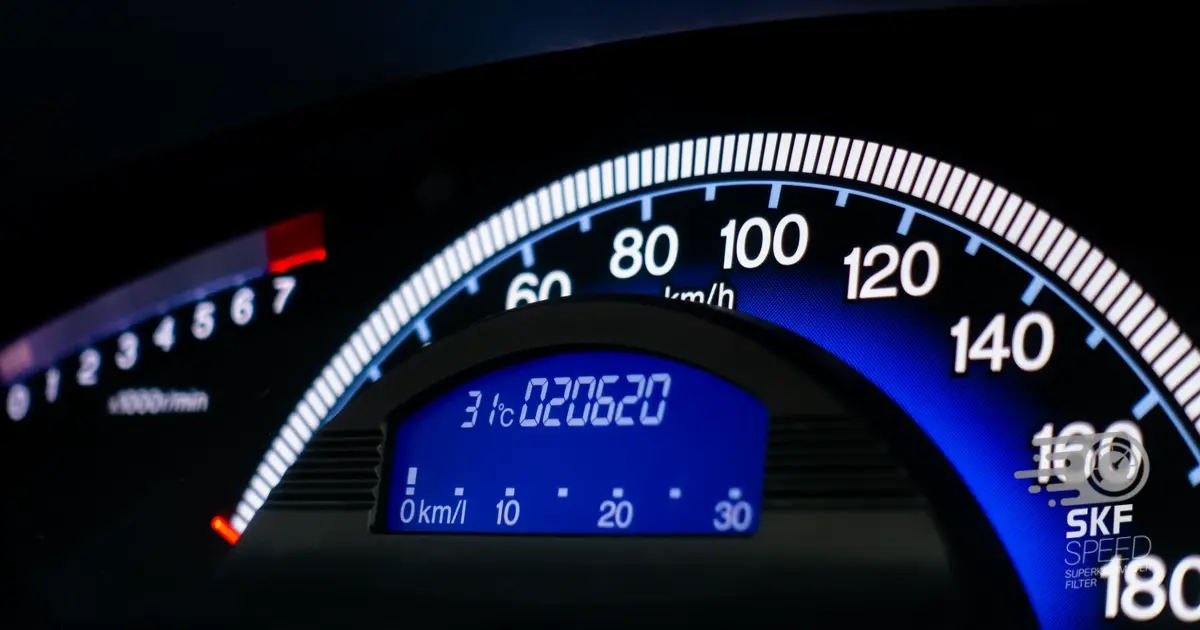
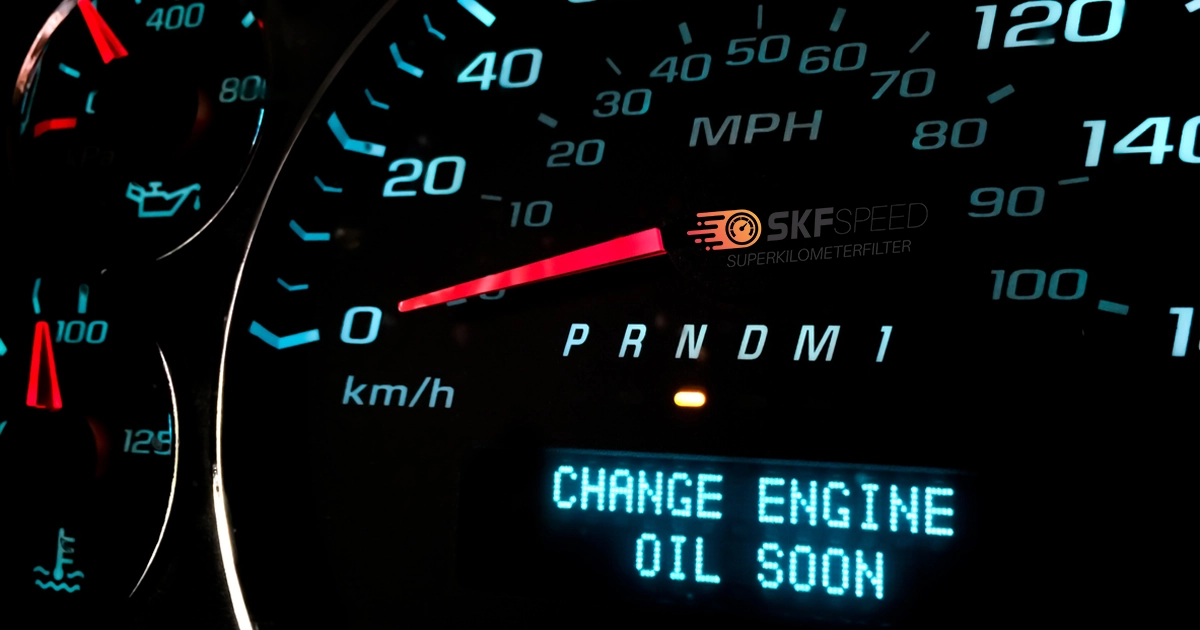
A mileage blocker is a tool that helps professional car testers do all the tests without recording extra miles. The blocker just prevents the system from storing mileage information in ECUs. Therefore, it’s neither displayed on the dashboard nor recorded in the system. That makes mileage blockers entirely untraceable.
Many people wonder if the mileage blocker rolls back or deletes old mileage. The answer is NO. Mileage blockers don’t affect any of the already recorded miles. It just helps testers do their tasks without extra stress. Remember that these devices are designed only for car testing purposes. It must be used in a strictly controlled environment by professionals. Nobody should utilize them on public roads. Before installing the device, always check and follow local laws or guidelines.
What makes mileage blockers unique? First of all, these devices are untraceable. No scanner tool or check will identify the trace of a mileage blocker. Moreover, it comes with easy DIY installation instructions that make setup easier for anyone. Also, the device has its own mobile app, and you can control it from your smartphone.
You can buy the SKF mileage blocker online. For additional information, please visit the support page or reach out to the customer service department.
Takeaway
Lease mileage limits can have a major impact on the total amount you spend during a lease. They influence monthly payments, determine potential excess mileage fees, and affect the overall value of the agreement. Most drivers in the United States receive between 10000 and 15000 miles annually, but the right allowance depends on personal driving habits. Before signing a leasing contract, review your past mileage, estimate future needs, and compare available options. Choosing the correct mileage package from the beginning can save money, reduce stress, and help you get the most value from your vehicle lease.

By Maria Laskowski







Here you will find all the details about our company
Here you will find shipping and return related information
Here you will find information on all technical questions
Here you will find helpful information about installation