Deutsch
  Русский
  Español
  Italiano
  Français
  Portuguese
  Türkçe
  Ελληνικά
  >
>
Comparing Different Types of Mileage Blockers
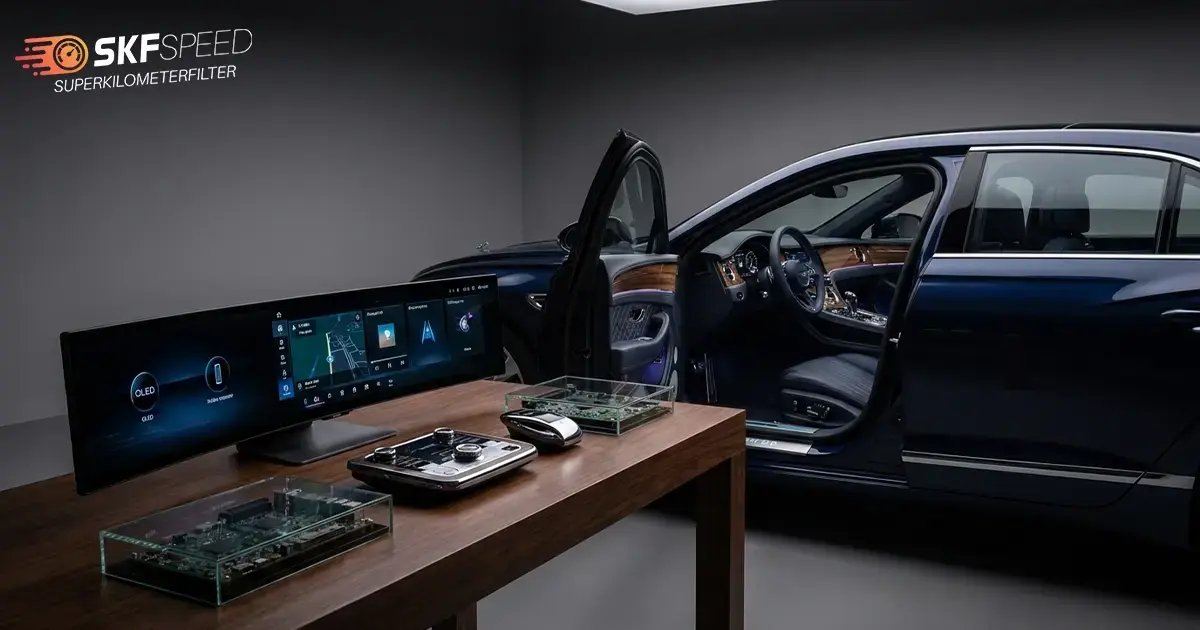
Comparing different types of mileage blockers can be confusing if you are not familiar with the available options. Some devices offer Bluetooth connectivity while others focus on simplicity. Some may come with a short cable, while others include a longer cable for easier installation.
There are also Ghost devices that stay completely hidden after installation. Understanding these differences will help you select the right solution for your vehicle and testing requirements. In this blog, you will learn how each type works, what makes them different, and which option may suit your situation best. All mileage blockers discussed in this article are intended for testing purposes only.
Why are there different types of mileage blockers?
Not every vehicle has the same dashboard layout, wiring design, or installation space. Because of this, manufacturers have developed several versions of mileage blockers to make installation easier and improve the overall user experience.
A driver who works on vehicle testing may value quick installation and smartphone control. Another user may simply want the most reliable solution with no extra features. Offering multiple versions allows people to choose the device that best matches their vehicle and preferences.
Super Kilometer Filter has one of the widest selections. Many of the variations explained below are only available through SKF. It gives customers more flexibility than standard SKF mileage blockers that are copied and sold elsewhere.

Comparing different types of mileage blockers
Of course, not every mileage blocker offers the same features. While they all perform the same major function during testing, the installation process, convenience, and user experience can vary significantly.
The three biggest differences include cable length, Bluetooth connectivity, and whether you choose a standard or Ghost version.
| Feature | Short Cable | Long Cable | Bluetooth | Non Bluetooth | Ghost Device | Standard Device |
| Installation flexibility | Moderate | Excellent | Excellent | Standard | Excellent | Good |
| Smartphone control | No | No | Yes | No | Depends on model | Depends on model |
| Hidden installation | Good | Good | Good | Good | Excellent | Good |
| Ease of updates | Standard | Standard | Very Easy | Manual | Model dependent | Model dependent |
| Best for | Tight installations | Easier access | Maximum convenience | Simplicity | Hidden installations | General use |
Short cable versus long cable mileage blockers
One of the first things buyers notice is cable length. Although this may seem like a small detail, it can make installation much easier depending on the vehicle.
Short cable mileage blockers
Short cable versions work well when the installation point sits close to the instrument cluster. They create a cleaner installation with less excess wiring.
Advantages include:
- Cleaner cable management
- Less unused cable
- Perfect for compact dashboard layouts
- Slightly quicker installation in some vehicles
However, vehicles with deeper dashboards or difficult access points may benefit from additional cable length.
Long cable mileage blockers
Long cable versions provide extra flexibility during installation. The installer can position the module more comfortably without stretching the wiring.
Benefits include:
- Easier installation in larger vehicles
- Better routing options
- Less strain on connectors
- Greater flexibility during assembly
Many professional installers prefer longer cables because they reduce installation challenges, especially in vehicles with limited workspace.
In practice, both versions perform the same during testing. The difference lies almost entirely in installation convenience.
Bluetooth versus non-Bluetooth mileage blockers
Bluetooth has become one of the most requested features in modern mileage blockers. Instead of using button combinations or manual controls, Bluetooth models communicate with a smartphone application.
Bluetooth mileage blockers
Bluetooth versions offer a much more convenient experience because users can:
- Change operating modes
- Access device settings
- Update firmware
- Perform diagnostics
- Control the device without removing dashboard components
For workshops performing repeated testing, Bluetooth saves valuable time. Additionally, another advantage is easier future software updates, allowing compatibility improvements without replacing hardware.
Non-Bluetooth mileage blockers
Not everyone needs smartphone connectivity. Many users prefer the simplicity of a traditional mileage blocker. These versions usually:
- Cost slightly less
- Require no phone connection
- Operate with physical controls
- Deliver reliable performance
Some buyers intentionally choose non-Bluetooth models because they appreciate their straightforward operation.
Both versions perform equally well during testing. The decision comes down to convenience rather than functionality.
Ghost device versus standard device
One of the newest developments in mileage blocker technology is the Ghost device. The name comes from the installation style rather than the functionality. Let’s discuss what it is and what these devices can do.
Standard mileage blocker
A standard device remains accessible after installation. If maintenance or adjustments become necessary, accessing the unit is generally easier.
Advantages of mileage blockers:
- Straightforward installation
- Easier servicing
- Familiar design
- Suitable for most testing environments
Ghost mileage blocker
Ghost versions hide the module much more effectively inside the dashboard. Its main benefits include:
- Better hidden installation
- Cleaner appearance
- Reduced visibility after installation
- Professional finish
Many Ghost versions available today are exclusive to Super Kilometer Filter. This gives customers access to solutions that many competing manufacturers simply do not offer.
For professional testing environments where discreet installation matters, Ghost devices often become the preferred option.
Which mileage blocker should you choose
The best mileage blocker depends on your priorities rather than the vehicle alone. If easy installation matters most, a long cable version usually makes the process smoother. If convenience is your priority, Bluetooth provides the easiest control and software management. If you want the cleanest installation possible, a Ghost version offers excellent concealment. Here is a quick recommendation.
| Your priority | Recommended option |
| Fast installation | Long cable |
| Clean dashboard layout | Short cable |
| Maximum convenience | Bluetooth |
| Simple operation | Non Bluetooth |
| Hidden installation | Ghost device |
| Traditional setup | Standard device |
Fortunately, many of these combinations are available from Super Kilometer Filter, allowing customers to choose exactly what fits their testing needs.
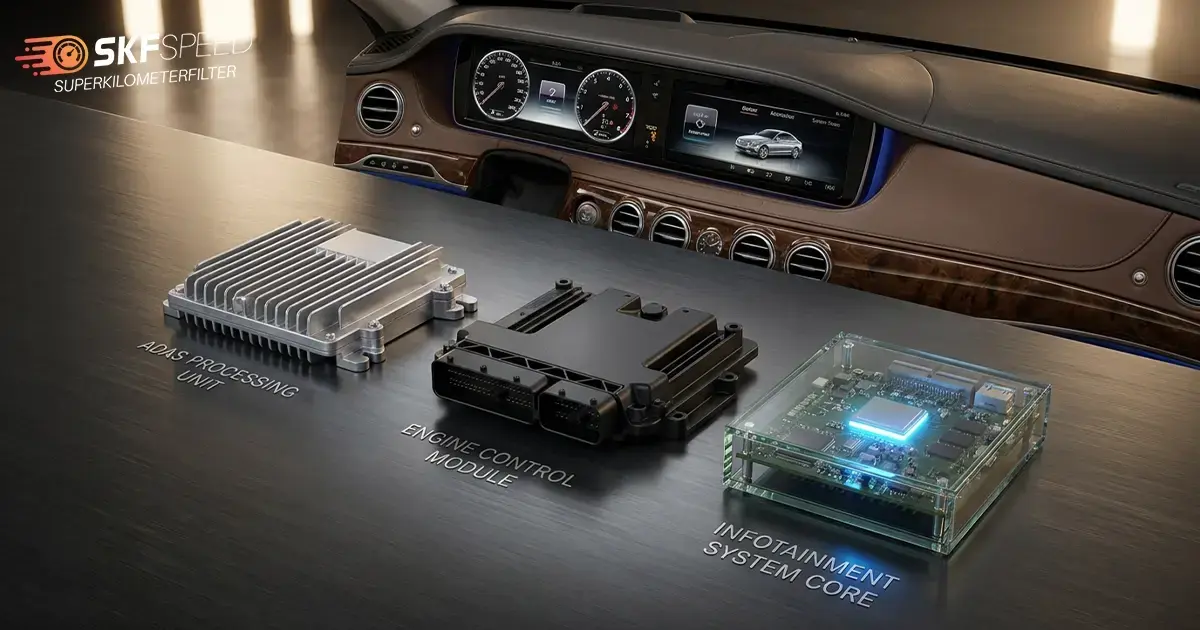
How to install a digital odometer filter
Installing a digital odometer filter requires patience, proper tools, and knowledge of your vehicle’s dashboard. Although installation varies between manufacturers and models, the general process usually follows similar steps.
Step 1: Remove the dashboard trim and access the instrument cluster.
Step 2: Then, connect the filter between the factory connectors, secure the module, and test the system before reassembling everything.
Step 3: Because every vehicle differs, always follow the installation guide created specifically for your model.
Step 4: You can also visit the Digital Odometer Filter Installation page for detailed instructions covering supported vehicles, installation guides, and compatibility information.
Step 5: Proper installation helps ensure reliable operation during testing while protecting factory wiring and connectors.
Tips before installing a mileage blocker
Even experienced installers follow several basic rules before starting.
These include:
- Verify vehicle compatibility before ordering.
- Read the installation manual completely.
- Disconnect the battery if recommended.
- Never force electrical connectors.
- Double check every connection before reassembly.
- Test the system before reinstalling dashboard panels.
Taking a little extra time during installation often prevents unnecessary troubleshooting later.
Where can I buy a Super Kilometer Filter online in the US?
If you’re seeking genuine products, buying directly from Super Kilometer Filter offers numerous benefits. First of all, you’ll receive original items with model-specific compatibility details, installation guides, and dedicated customer support. This already gives you an advantage over other devices out there.
Moreover, you’ll stay up-to-date with firmware updates for supported models and gain access to exclusive versions featuring many Bluetooth, Ghost, and cable options that aren’t available elsewhere. Choosing to buy directly also minimizes the risk of counterfeit products that might not work properly or receive future software updates. Before placing your order, always double-check your vehicle’s exact model, production year, engine type, and dashboard to ensure perfect compatibility.
Takeaway
Comparing different types of mileage blockers becomes much easier. once you understand what actually changes between the models. Cable length affects installation comfort. Bluetooth improves convenience and simplifies device management. None of these options changes the core purpose of the device during testing, but each one offers advantages depending on your priorities. Super Kilometer Filter stands out by offering one of the largest selections available, including many exclusive variations that are difficult to find elsewhere.

By Maria Laskowski






Service center
CUSTOMER CENTER
Here you will find all the details about our company
Shipping and return
Here you will find shipping and return related information
Technical Support
Here you will find information on all technical questions
Installation Support
Here you will find helpful information about installation