Deutsch
  Русский
  Español
  Italiano
  Français
  Portuguese
  Türkçe
  Ελληνικά
  >
>
What is an odometer sensor and how does it work?
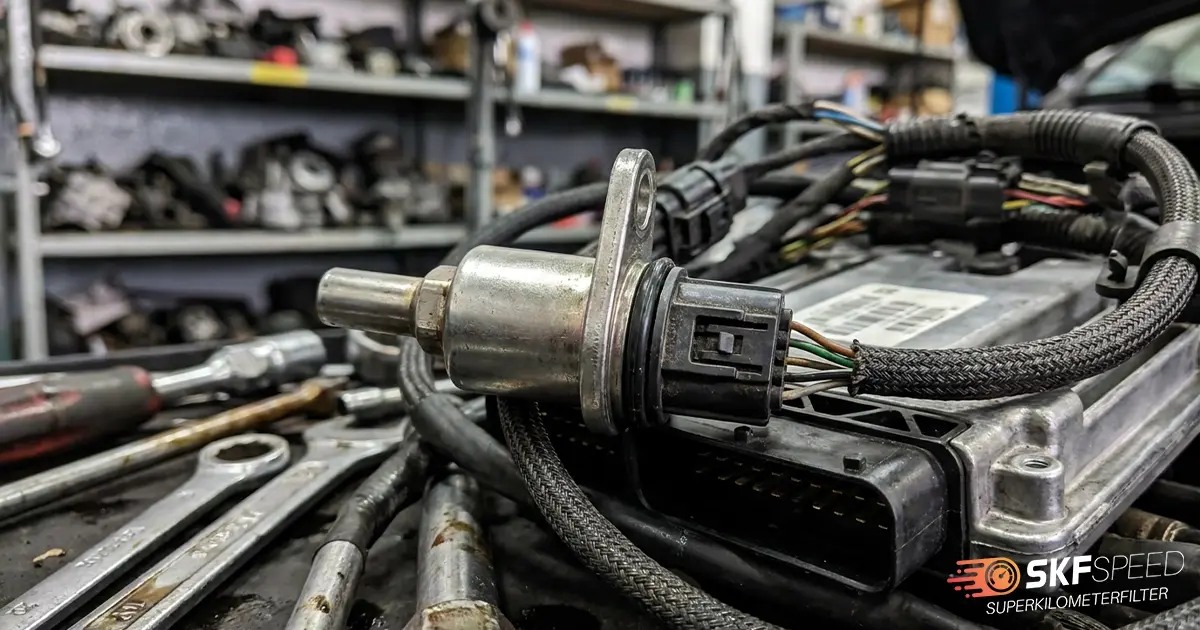
An odometer sensor measures how far your vehicle has traveled by measuring the movement of the wheels or transmission. Then, it sends this information to the car’s computer, which calculates the total distance. Consequently, you will see the total mileage on your car’s odometer display.
In many modern cars, the same sensor can also help your vehicle calculate speed. That’s why it’s sometimes closely connected to the speedometer. Of course, the exact design depends on the automobile and manufacturer.
Because the odometer records total mileage, these sensors are absolutely crucial for your car. In this blog, we will discuss all the essential details about odometer sensors and give you tips that can save you money.
What does the odometer sensor do, and how does it work?
The odometer sensor measures how fast your wheels or transmission output shaft spins. It sends that data to your car’s computer so it can calculate covered distance and current speed. Without it, your odometer and speedometer can’t understand what your car is actually doing.
Let’s discuss it with an example. Imagine you’re driving a car. Every time your wheels turn, the sensor (usually a small magnetic or optical unit) counts pulses. Your car’s computer takes those pulses, applies a bit of math based on tire size and gear ratio, and turns this information into a number you see on your dashboard. That’s how a spinning piece of metal under your car becomes a mileage figure.
The currency system replaced the old mechanical cable setup. It physically spun a gauge needle to record mileage. Modern cars rely on a digital signal for almost everything that is speed-related. Cruise control, transmission shifting, traction control, and your odometer all pull from the same sensor data.
Where Is the Odometer Sensor Located?
You already know what sensors do, but now the question is, where is the odometer sensor located? In most vehicles, the sensor is in one of these locations:
- On the transmission housing
- Near the transmission output shaft
- Inside the transmission assembly
- Integrated into the wheel hub assembly through ABS wheel speed sensors
- Connected to the differential on certain trucks and SUVs
The exact answer really depends on the make and model of your vehicle. But I can give you a hint. Front Wheel Drive cars usually place the sensor on the transmission, while many Rear Wheel Drive vehicles set it up closer to the output shaft or differential.
Some luxury manufacturers might combine several sensors into one electronic module. The best way is to clarify it from the manufacturer’s manual.
How the odometer sensor works with the speedometer
You may think that your vehicle uses different sensors for the odometer and the speedometer. In reality, they share the same sensor. The catch is that sensors measure rotational speed, and your vehicle just uses this information in two different ways.
- For the speedometer, it calculates vehicle speed.
- For the odometer, it calculates the total distance in miles.
If you have ever noticed, this is the reason why, in case of a malfunction, both gauges fail at the same time. Hence, if you notice that your odometer suddenly drops to 0 and the speedometer stops displaying a speed, the real suspect must be the sensor.
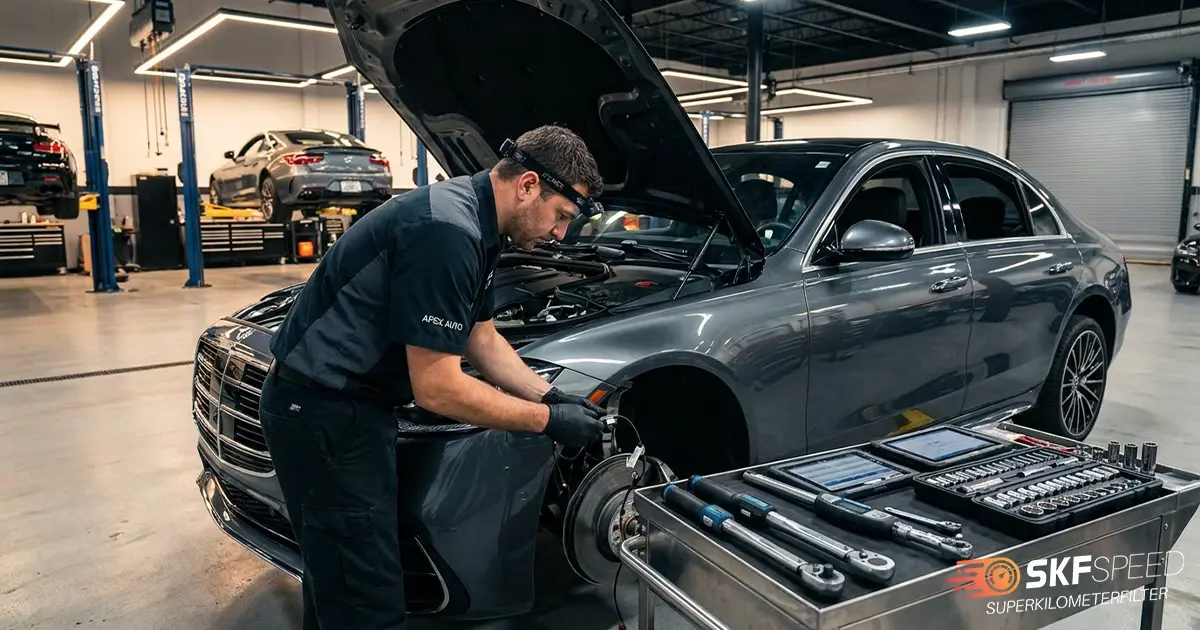
What are the three common causes of sensor failure?
Sensors don’t usually fail for random reasons. If you check repair shops, three main causes appear almost every time. Let’s see which three factors are those.
Cause 1. Wear and age
Because most components are exposed to constant vibration and heat, the sensor’s internal parts degrade. It affects every car, but durability varies by brand and build quality. However, make no mistake, despite how good the manufacturer or components are, after a while, age will damage those components as well.
Cause 2. Dirt and debris buildup
Metal bits, dirt from the road, and leftover transmission fluid can cover the sensor and stop it from reading signals correctly. This is especially common in older vehicles. The outcome will be even more severe if you haven’t had a transmission service in a while.
Cause 3. Wiring and connector damage
Corrosion, loose connectors, or a chewed wire often interrupt the signal even when the sensor itself isn’t damaged. This one gets misdiagnosed a lot because people assume the issue is the broken part when, in fact, the problem is a few inches of damaged wire.
How should I know if a sensor is bad?
There are a few signs that indicate something is off with your sensors. Here are the most common ones:
- The speedometer might start showing irregular numbers and start jumping, or just drop to zero. This is a very widespread and easily detectable malfunction.
- The odometer can also give you a hint. If you notice that it’s completely frozen or just stopped counting miles, sensors can be to blame for it.
- Cruise control refusing to engage is a slightly hidden indicator. Why? Because it depends on the same speed signal, and if the sensors are faulty, it can’t work as it was supposed to.
If you see a check engine light along with any of these signs, you can use a scanner tool to quickly identify whether the issue is related to the sensors.
Can I still drive a car with a bad sensor?
Technically and physically, yes, you can still drive your car with a bad sensor. However, it’s not really a smart idea to ignore these signs. Faulty or broken sensors can cause various issues in any automobile.
If the sensors have an issue, your speedometer gets jammed. This raises safety concerns because you can’t check your speed while driving, and it will be almost impossible to stay within legal limits.
Your car can also shift poorly as it must get the necessary input from sensors. Some vehicles may also limit engine power and force you to lock into a single gear.
Thus, you may be able to continue short drives on the road, but it creates very high risks for your safety and increases the chances of your car getting a costly malfunction.
How much is an odometer repair?
When you want to repair an odometer, the first thing you ask is the price. But total costs depend on exactly what is damaged and what should be fixed, because the price varies significantly. Below is the list of common repair costs:
| Repair | Estimated Cost |
| Sensor replacement | $70 to $300 |
| Wiring repair | $80 to $250 |
| Diagnostic inspection | $80 to $180 |
| Instrument cluster repair | $250 to $900 |
| Computer module replacement | $500 to $1500 |
Note that luxury vehicles will probably cost more because replacement parts and programming require specialized equipment.
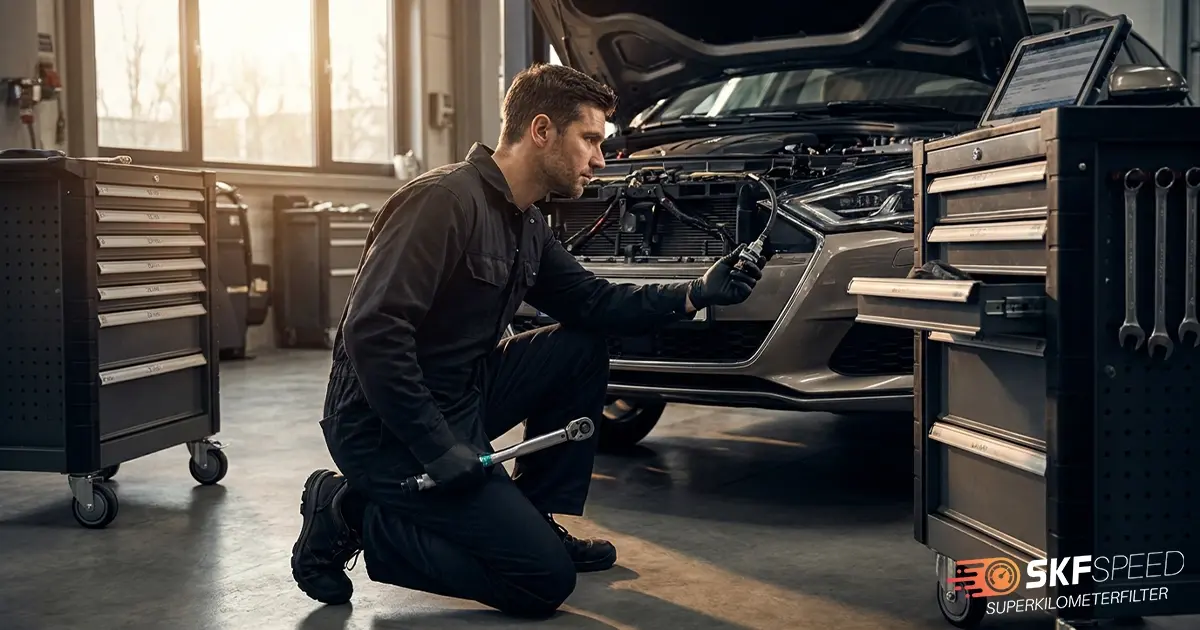
Can an odometer sensor affect your warranty coverage?
Yes, the odometer sensor will affect your warranty coverage as manufacturers rely on mileage records to determine warranty eligibility.
If the odometer cannot precisely record mileage because of a sensor issue, warranty claims can become more complicated. That’s why the best practise is to repair quickly and maintain accurate maintenance records, and avoid disputes later.
Does replacing the sensor reset the mileage?
No, replacing the odometer sensor doesn’t reset mileage. Many people think that it will affect total mileage, but it doesn’t really erase or reset such information.
The total mileage always remains stored inside the instrument cluster or electronic control modules, depending on the vehicle design. Therefore, it’s not affected by changing sensors in your car.
Are mileage blockers and sensors connected?
A Mileage blocker is not connected to the odometer sensor. The blocker is a separate device that works regardless of the sensor condition.
The SKF mileage blocker just interacts with the odometer to prevent it from counting distance. This tool stops the mileage recording process and helps tests perform in a legitimate vehicle.
Super Kilometer Filter mileage blockers are the absolute leaders in the market:
- It has an untraceable effect
- Easy setup instructions
- Premium quality materials
- Mobile app
- Different modes to choose from
Always remember that mileage blockers should only ever be used in a controlled environment and strictly for testing, never on a vehicle you’re driving on public roads or planning to sell. Tampering with a car’s mileage condition is illegal in many places and carries serious consequences. Hence, before installing the device, consult with your local laws and follow guidelines.
Takeaway
The odometer sensor plays a significant role in keeping your car’s speed and mileage readings accurate. It affects everything from your speedometer to your transmission’s shifting behavior. Hence, whenever you notice failing sensors, address the issues immediately. Knowing where it sits, what breaks it, and what a repair typically costs puts you in a much better position to easily spot the issues.

By Maria Laskowski





Here you will find all the details about our company
Here you will find shipping and return related information
Here you will find information on all technical questions
Here you will find helpful information about installation