Deutsch
  Русский
  Español
  Italiano
  Français
  Portuguese
  Türkçe
  Ελληνικά
  >
>
Everything You Need to Know About Lease Mileage Overage Forgiveness in 2026
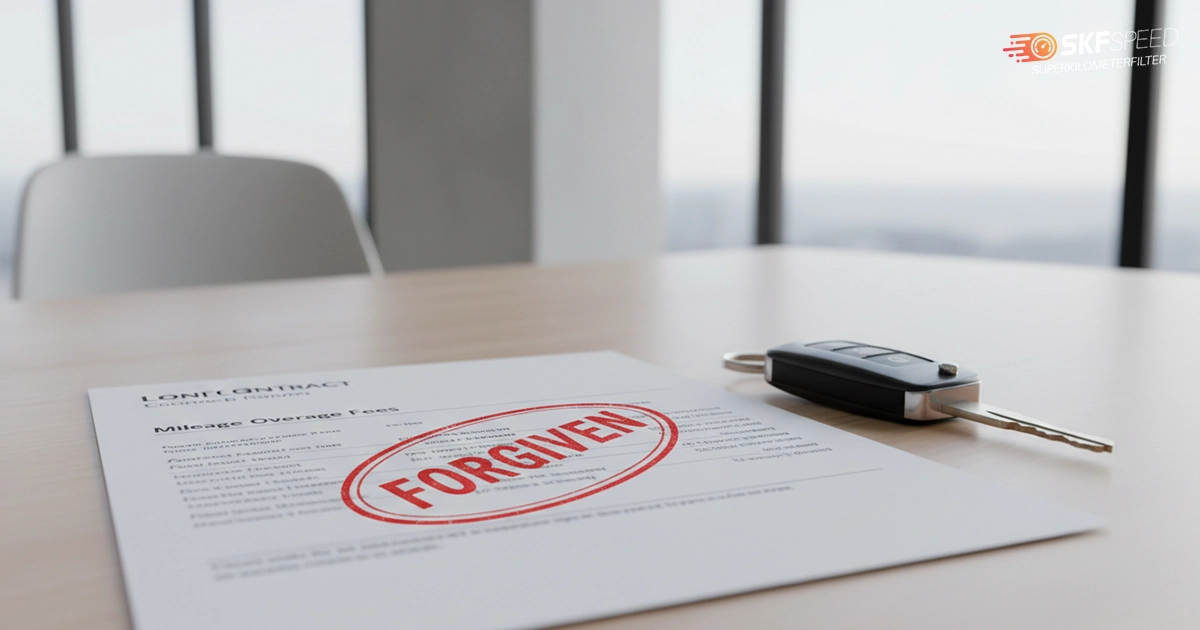
Lease mileage overage forgiveness is the ultimate safety net for drivers who find themselves staring at an odometer that has climbed far beyond the limits set in their original contract. Leasing a vehicle offers you the thrill of a fresh automobile every few years. However, the anxiety of going over your allowance can ruin the joy. If you drive more than the average person, you might feel like you are trapped in a high-cost situation. Fortunately, manufacturers and dealerships often provide pathways to waive these fees.
In this blog, we will break everything down. You will learn what happens when you go over mileage on lease, how much it can cost, when it can be forgiven, and how smart drivers reduce or even avoid paying extra at the end of their leasing.
What lease mileage overage forgiveness Actually Means
When you lease a vehicle, you agree to a mileage allowance. Most leasing contracts allow between 10,000 and 15,000 miles per year. That sounds like a lot until you realise it’s NOT. You change jobs, move farther from work, or take more road trips than planned. Before you know it, you are going over that limit.
Over mileage on lease means every extra mile you drive beyond the allowed amount will trigger a charge. This charge is written into your lease terms from day one.
Typical overage costs look like this.
- 15 to 25 cents per mile for most cars.
- Higher rates for luxury or performance vehicles.
- No cap on total excess miles.
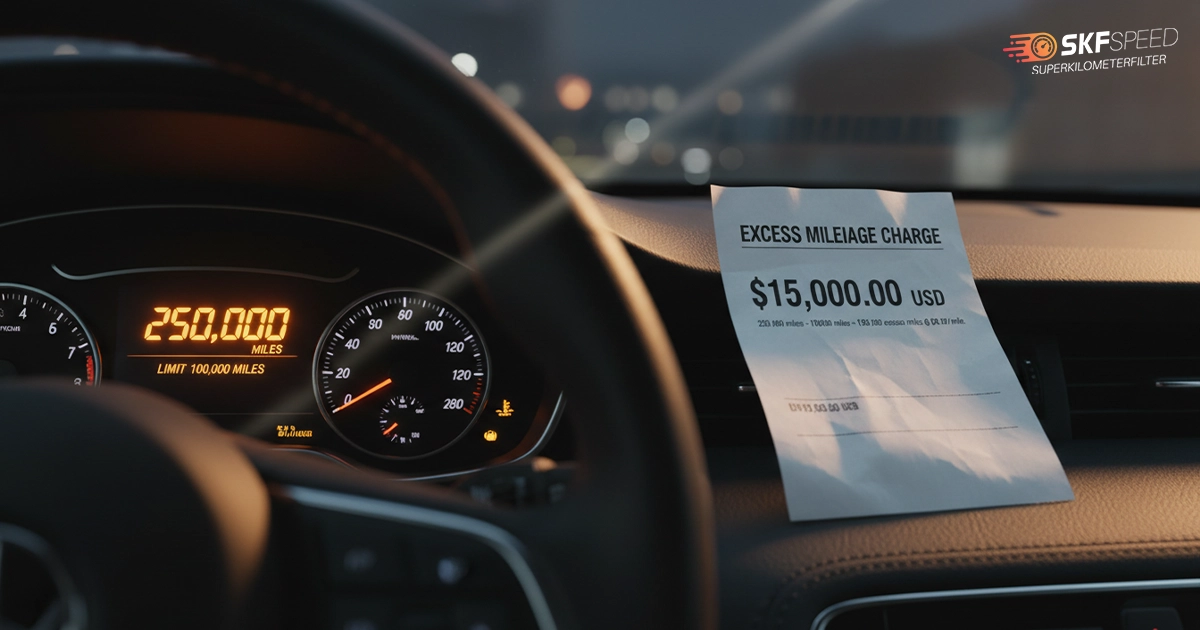
Let’s check a quick example to make it clearer. Imagine you leased an automobile for three years with an annual allowance of 12,000 miles. That equals 36,000 miles total. You return the vehicle with 42,000 miles. That means 6,000 extra miles. At 20 cents per mile, you owe 1,200 dollars.
What Is Lease Mileage Overage Forgiveness and Why It Exists
Lease mileage overage forgiveness is when the leasing company reduces or completely removes the penalty for going over your mileage allowance. It does not happen automatically, but it does happen more often than people think.
Leasing companies care about one thing. They want you to lease or buy another car from them. If forgiving some miles helps keep you as a customer, they are often willing to do it.
Forgiveness can show up in different ways.
- A waived mileage charge when you lease another vehicle.
- A reduced cost per extra mile.
- A promotional program that absorbs excess miles.
- Dealer-specific loyalty offers.
This is not charity. It’s business – keeping a loyal driver is cheaper than finding a new one.

How Much Over Mileage on Lease Really Costs on Average
Let’s talk numbers, because this is where many drivers get surprised.
According to industry data, the average leased vehicle in the US goes over its mileage allowance by about 4,500 miles. At an average charge of 20 cents per mile, that comes to about $900.
Here is a simple breakdown.
| Extra Miles | Cost per Mile | Total Cost |
| 2000 | 0.20 | 400 |
| 5000 | 0.20 | 10000 |
| 10000 | 0.25 | 2500 |
Strategies to Secure Lease Mileage Forgiveness
1. Negotiate Before You Turn In the Vehicle
This is the biggest mistake drivers make. They wait until after the inspection. At that point, the numbers are locked in.
Instead, talk to the dealer weeks before your lease ends. Tell them how many miles you have. Ask what they can do if you lease again. With this approach, you are more likely get a better deal.
2. Roll Miles into a New Lease
Some leasing companies allow you to roll excess miles into your next lease. That means they effectively forgive the charge but adjust your new lease terms slightly.
This works best for you when:
- Your credit is strong;
- You choose a similar or higher-priced car;
- The market is competitive.
3. Buy the Car Instead of Turning It In
Sometimes the smartest move is to buy the vehicle. If the buyout price is fair, you avoid paying mileage penalties entirely.
This option works well when:
- The car has low wear and tear.
- The market value is higher than the buyout.
- You like the vehicle and plan to keep driving it.
Hidden Benefits of Staying Loyal to Your Brand
Brand loyalty is the fastest way to get lease mileage overage forgiveness. Manufacturers want to see you in their cars for life. They view the extra miles as a small price to pay for a returning customer. If you switch from a Honda to a Toyota, Honda has no reason to forgive your overage in lease fees. They will send you a bill for every single extra mile.
However, if you walk back into the same dealership, you have a bargaining chip. You can play a little game and tell the salesperson that you are considering a competitor unless they can help with the excess charge. This simple move often triggers the lease mileage overage forgiveness protocols that are not always advertised to the public.
How Much Is Too Much?
Is there a limit to how much a company will forgive? Generally, yes. Most programs cover between $500 and $1,500 worth of excess usage or wear. If you drive 20,000 miles over your allowance, you are likely going to pay something.
- Check your current mile count today.
- Compare it to your allowance in the leased contract.
- Calculate the potential penalty based on the per-mile rate.
- Contact the leasing company to see if they offer lease mileage overage forgiveness.
If you are consistently over mileage on lease limits, you might want to consider a “high-mileage lease” for your next vehicle. These allow for 20,000 miles or more per year. While the monthly pay is higher, it is cheaper than paying the extra cost at the end.
How to get over mileage on lease benefits
1. Manufacturer Loyalty Programs
Auto manufacturers will always try to keep you in their brand family. If you’re planning to lease or purchase another vehicle from the same manufacturer, they usually waive mileage penalties entirely. Many companies, including Honda, Toyota, and Ford, offer similar programs.
The dealership would much rather keep you as a customer than squeeze an extra $1,500 out of you and watch you walk across the street to a competitor. When you’re shopping for your next car, mention your mileage situation early in the conversation. Sales managers have the authority to waive these fees if it means closing a deal on a new lease.
2. End of Lease Buyout Can Eliminate Mileage Charges
Here’s a strategy many people overlook. If you purchase your leased vehicle at the end of the term, the mileage overage disappears. Think about it logically. The leasing company charges you for excess miles because those miles reduce the car’s resale value. But if you’re buying the vehicle yourself, there’s no resale to worry about.
Check your lease contract for the buyout price. Sometimes, especially in the current market where used vehicles have higher values, buying your leased car makes financial sense. If you add in the forgiveness of a $2,000 mileage charge, the decision becomes even more compelling.
3. Trading In Your Lease Early Might Save You Money
You don’t have to wait until your lease term ends. Many drivers don’t realize they can trade in a leased automobile just like they would a vehicle they own. If your leased car has equity, you can use that equity toward a new lease or purchase.
This strategy works particularly well when you’re going over your mileage allowance with significant time left on your lease. Instead of racking up more excess miles and bigger penalties, you make a change earlier. Dealerships sometimes offer special programs specifically for early lease terminations, especially if you’re staying within their brand.
What is the Mileage blocker tool?
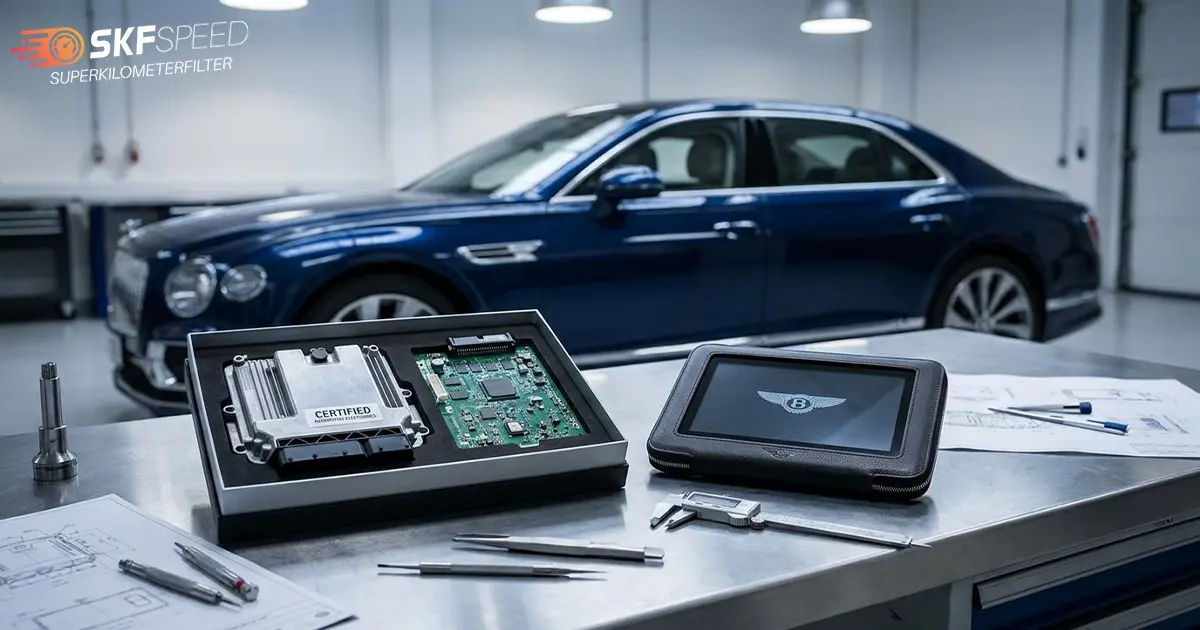
The Mileage blocker is a compact device that stops mileage recording during controlled diagnostic procedures. Testers can review performance data and conduct necessary evaluations without accumulating extra miles on the vehicle.
The device has unique Features:
- Easy installation process
- Mobile app control
- Multiple testing modes
- Premium quality components
- Reliable performance in harsh conditions
- Untraceable technology that doesn’t save to ECUs
Remember that this tool is only for professional testers. You shouldn’t use it for everyday driving. Professional testers can purchase the mileage blocker from the SKF website. Always check local guidelines and regulations. For questions about proper usage and compliance, contact the support team.
Takeaway
Lease mileage overage forgiveness helps you avoid expensive end-of-lease penalties. Going over your limit does not mean automatic fees. Dealers often have special offers for their loyal customers, and if you act early, you gain leverage. With the right timing and strategy, excess mileage becomes a problem that you can control.

By Maria Laskowski







Service center
CUSTOMER CENTER
Here you will find all the details about our company
Shipping and return
Here you will find shipping and return related information
Technical Support
Here you will find information on all technical questions
Installation Support
Here you will find helpful information about installation