Deutsch
  Русский
  Español
  Italiano
  Français
  Portuguese
  Türkçe
  Ελληνικά
  >
>
What is canbus in car?

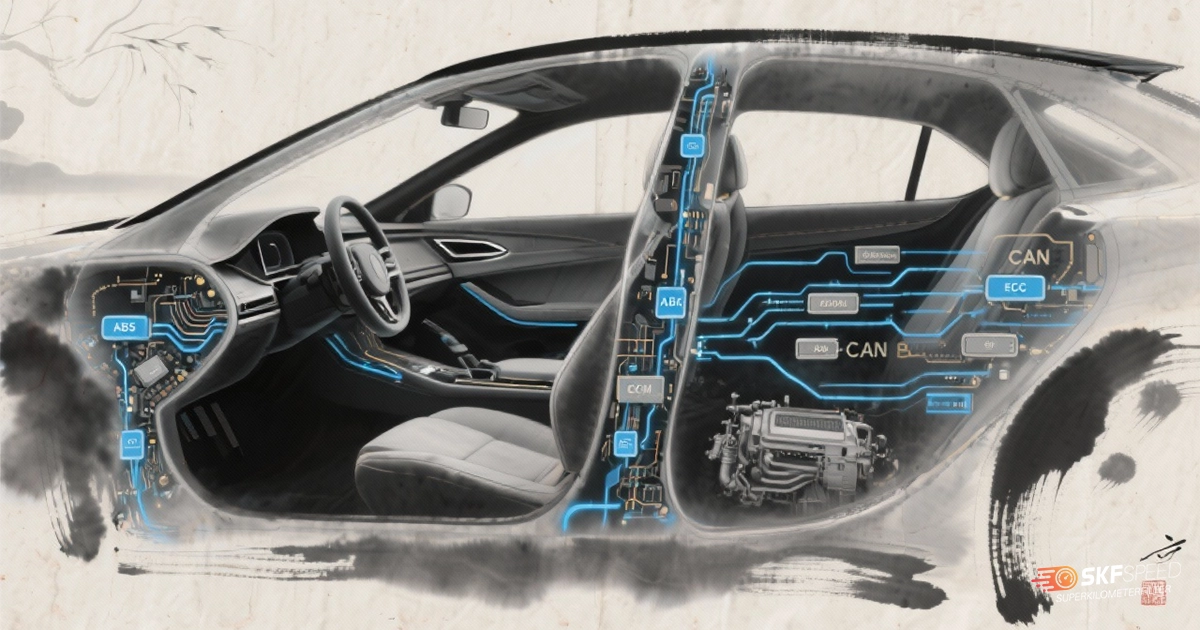
Modern vehicles are a system of computer networks. A typical car contains approximately 50 control units (ECUs), while luxury cars have 100 modules. Those modules are constantly exchanging information in real time. Each major function of the modern automobile (adaptive cruise control, ABS braking, touchscreen system) depends on this reliable communication. CAN bus technology is the most important foundation of modern cars.
In the following paragraphs, we will define the term, what is canbus, its origin, and all the necessary information you may need to know about it to learn more about the technology behind the modern automobile.
What does can bus stand for?
CAN Bus stands for Controller Area Network Bus, and it is defined as advanced vehicle communication system that allows various microcomputers and devices in the car to communicate with each other easily and quickly. In plain terms, it is like the central nervous system.
Originally, the CAN bus protocol was developed by Robert Bosch in 1983. Partnering with Mercedes-Benz and Intel, developing this technology was necessary to meet the automotive requirements. The invention wasn’t important only for the automotive industry, this technology is also actively used in medical devices and aerospace.
3 types of CAN Bus Technology
There are 3 main types of this technology:
- High-Speed CAN – it is referred to as the classical type and the most commonly applied type. Its speed is from 40 kbps to 1 Mbps. This type is mostly use in engine control units, Anti-lock Braking Systems (ABS). one of the beneficial features of this system is that it can operate in noisy environment.
- Low-Speed/CAN – Fault-Tolerant CAN is generally designed for the systems where speed is less important; its speed is 125 kbps, slower than the high-speed version of the technology. This type is usually used in functions like window control, climate control, and seats.
- CAN FD – It is a flexible data-rate CAN with a speed up to 8 Mbps. It is the advanced version of the classical CAN. This is especially vital for technologies such as autonomous driving, where enormous amounts of sensor data must be transmitted quickly and reliably between vehicle systems.
In the following paragraph, we will discuss the role of the CAN bus technology in the modern vehicle in further detail.
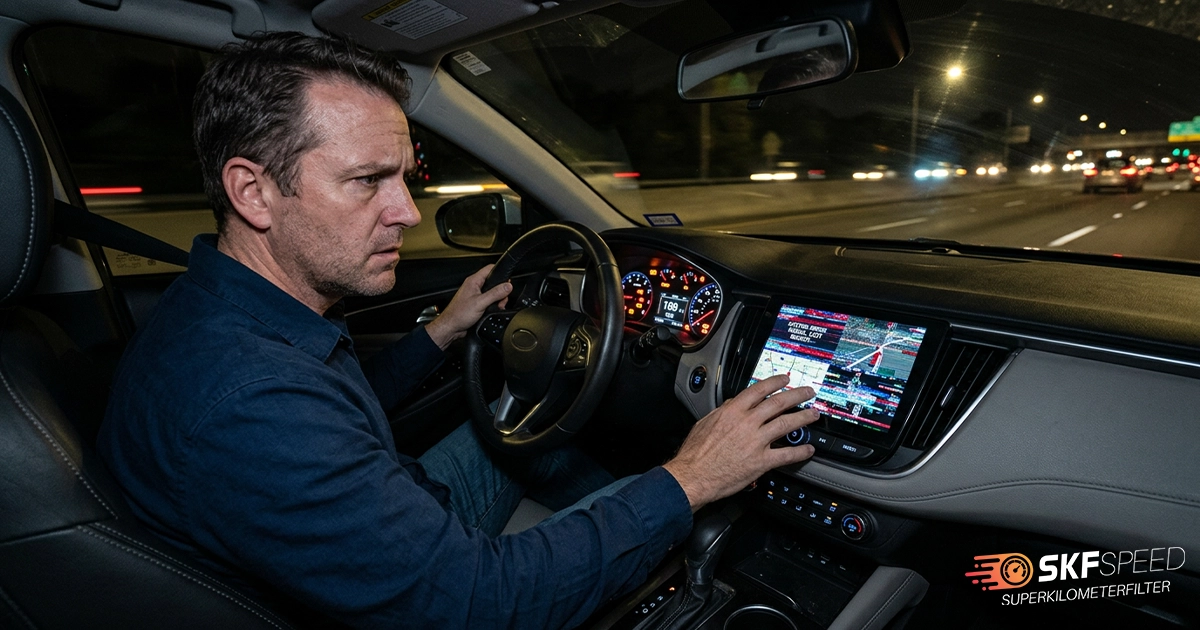
Inside the modern car: Understanding CAN Bus systems
CAN Bus technology enables modern automobiles to operate as a fully connected system. Due to that fact, nowadays, automobiles are equiped with various features, including safety, comfort, convenience, maintenance management, connectivity, driver’s assistant, performance, and diagnostics.
Safety features
Anti-lock Braking System (ABS)
An Anti-lock Braking System (ABS) is an essential automobile safety feature that stops your wheels from locking during emergency braking. CAN bus technology allows the ABS module to communicate in real time with wheel speed sensors, the engine control unit, and stability systems. As soon as the system identifies hard braking, it quickly adjusts brake pressure to maintain vehicle stability and reduces the risk of accidents.
Airbags
Airbag deployment systems are a vital automotive safety feature that instantly inflate protective cushions during collisions. The system relies on CAN bus networks to exchange crash-related data between impact sensors and safety control modules. When a collision happens, the system detects the location and inflates the relevant airbag. Depending on the need, there are different types of airbags: frontal airbags located in the steering wheel and passenger-side dashboard; side airbags located in seats, doors, or the roof; and knee airbags placed in the lower dashboard.
Tire Pressure Monitoring Systems (TPMS)
It is a vehicle safety feature that continuously monitors air pressure inside pneumatic tires. TPMS sensors continuously monitor tire pressure and transmit information via the CAN bus system to the vehicle’s dashboard. If tire pressure drops below the recommended limit, the driver receives an immediate warning notification on the dashboard. Monitoring tires in real time is important for improving overall safety, fuel efficiency, and tire lifespan while assisting drivers to avoid dangerous situations on the road.
Driver Assistance Technologies
Adaptive Cruise Control (ACC)
Adaptive Cruise Control uses sensors and radar systems connected through CAN bus communication to automatically adjust your vehicle’s speed to keep a safe following distance from the car in front of you.
Parking Sensors and Parking Assist
Parking assistance systems use communication between ultrasonic sensors, cameras, steering modules, and dashboard displays to measure the distance between the car and an obstacle. Due to this communication, drivers can easily detect obstacles and objects nearby or get audio warnings while they are parking. A more advanced version of this feature provides automatic steering wheel control during parallel and reverse parking.
Comfort and Convenience Features
Keyless Entry and Push-Button Start
CAN bus systems allow smart key modules and engine control units to communicate securely with each other. When the driver approaches the vehicle with the key fob, the system can unlock or lock doors automatically and let the engine start without using a physical key, without even taking the key fob out of your pocket.
Digital Instrument Clusters
Digital instrument clusters are advanced, electronic displays relying on CAN bus communication. They replace traditional mechanical gauges. it displays information from various vehicle systems such as speed, fuel consumption, navigation directions, warning alerts, and engine temperature.
Connectivity Features
CAN bus technology plays a major role in modern vehicle connectivity, allowing infotainment systems, smartphones, GPS modules, cameras, and digital displays to communicate flawlessly with one another. This network supports features such as Bluetooth pairing, hands-free calls, music streaming, navigation updates, voice controls, and touchscreen. By connecting multiple electronic systems into one communication network, CAN bus provide a more convenient, interactive, and connected driving experience.
Real-time monitoring and diagnostics
CAN bus systems always monitor electronic components and vehicle performance while the car is working. warning lights and diagnostic trouble codes are immediately displayed on the dashboard, so, drivers can identify the problem before visiting a mechanic. it is beneficial feature which help individuals and professionals before a serious mechanical or electrical failure.
The future of the automotive industry
vehicles are becoming more and more digitalized, so it is not surprising that CAN bus technology will remain one of the most important communication systems in the automotive industry. Electric vehicles are the future of automobiles; those automobiles need fast, secure, reliable communication systems in the first place. The future of CAN Bus technology is the CAN FD (CAN with Flexible Data Rate), which is the advanced version of CAN Bus protocol.
Automakers are actively working to strengthen cybersecurity, as a modern automobile mostly depends on software and network connections, making it harder to protect the automobile from unauthorized access. Modern vehicles provide comfort and convenience in many ways, but the security issues still remain a challenge.
Can I program my ECU myself?
The short answer is – Yes. However, it usually depends on various factors; in older cars, programming the ECU was much easier for enthusiasts. But in the digital era, when cars are heavily dependent on software, it is getting harder. The result depends on the model, programming tool, and types of modification. The reason why car enthusiasts want ECU modification are the following:
- Tuning for better performance
- Improving fuel economy
- Disabling speed limiter
- Perform aftermarket modification
DIY ECU programming always implies risks, so you need to be careful when deciding to perform it with unauthorized tools. If you decide to use such programming, it is highly recommended to use the factory-authorized, legal devices, unless you want to void your warranties or damage expensive components of the automobile.
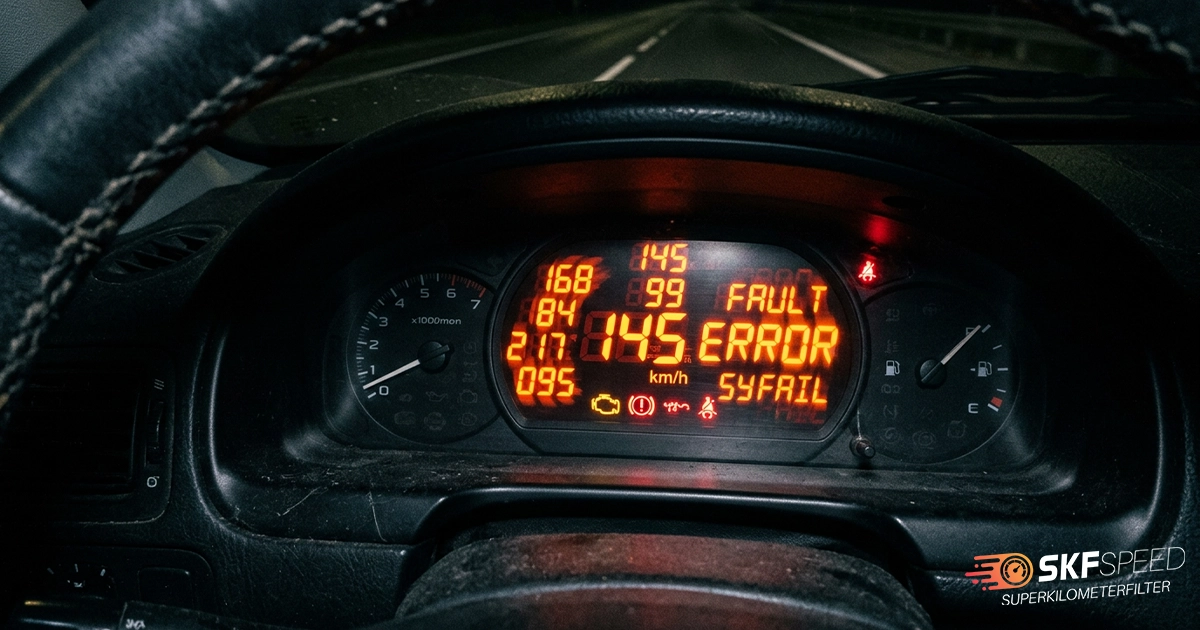
What’s the difference between ECU coding and ECU programming?
ECU coding and ECU programming are related topics, but they are not the same. ECU coding implies configuring and customizing car features, while programming means changing the software.
Coding is the routine task that many drivers perform from time to time. It implies configuring some features, for example, changing the automatic door behaviour, installing third-party devices, or enabling digital speed display.
ECU programming involves rewriting or modifying the software for different purposes, such as engine software updates, fixing software bugs, and performance improvement.
Is ECU tuning illegal?
It depends on the following factors:
- The country regulations under which it is performed
- Emission regulation
- The purpose of the tuning
- The type of the modification
In short, if the car still meets all the standards and regulations after the modification and doesn’t violate any laws, it is completely acceptable.
All types of tuning are also allowed if the car is tested in a controlled environment and not on public roads.
One of the best testing devices on the market
Mileage Blocker is one of the best testing and tuning devices on the market nowadays. It halts the mileage recording process from all control units unconditionally.
If you are going to test the performance of your car in a controlled environment, you can buy a Mileage Stopper from our store and stop the KM/Miles recording process from all ECUs. Most of the Mileage Blocker devices on the market do the same, but sometimes cause unforeseen flaws in the CAN Bus system. As we mentioned above, this is a complex system that is responsible for operating the vehicle’s system. Mileage blocker from SKF Ensures that speedometer, tachometer (Tacho), and other systems continue working without any interference.
Mileage blocker is a special device with the following benefits:
- Stop the mileage recording process from all control units
- Installation is effortless
- Doesn’t cause flaws in the car’s system
- Premium quality components
- Has different modes to choose from
- Comes with a mobile application for more convenience and comfort
You can purchase the odometer blocker directly from the Super Kilometer Filter website for the desired model and maker. We strongly recommend using the devices for testing purposes in a controlled environment.
Takeaway
CAN Bus is an advanced system behind the modern automobile that ensures the communication between different systems of the vehicle quickly and efficiently. The engine, brakes, airbags, infotainment system, sensors, and driver assistance technologies exchange data quickly, efficiently, and in real time thanks to this technology. Modern cars are becoming more advanced, smarter, more comfortable, than ever before.

By Maria Laskowski




Service center
CUSTOMER CENTER
Here you will find all the details about our company
Shipping and return
Here you will find shipping and return related information
Technical Support
Here you will find information on all technical questions
Installation Support
Here you will find helpful information about installation