Deutsch
  Русский
  Español
  Italiano
  Français
  Portuguese
  Türkçe
  Ελληνικά
  >
>
Is your self driving car hacked?

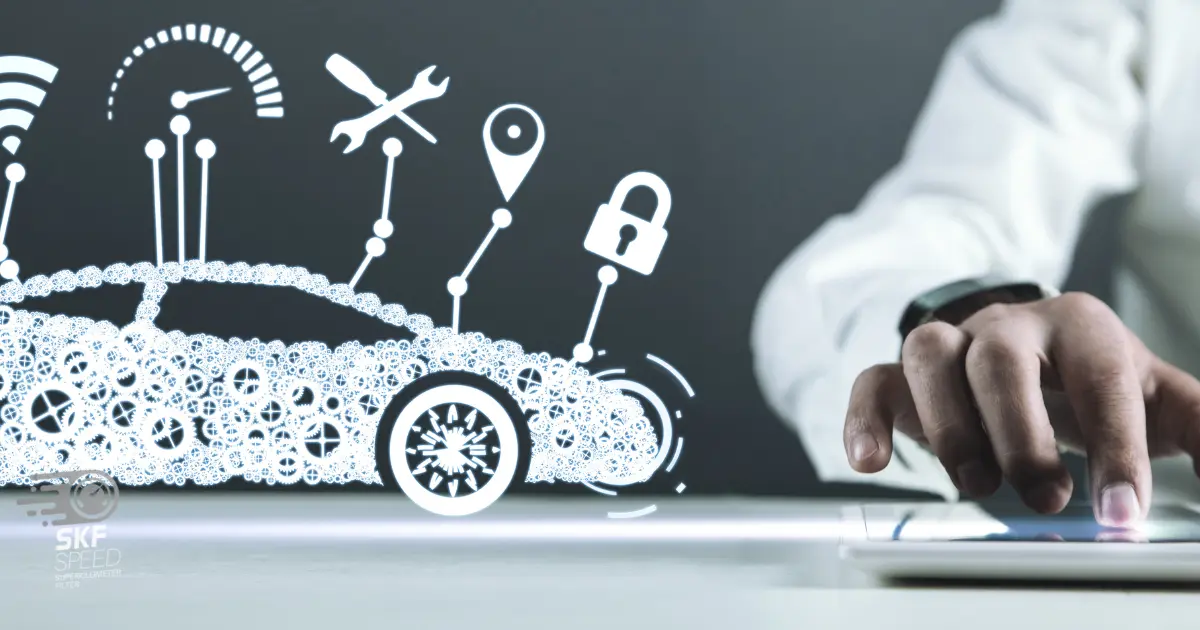
A car hacked incident can happen faster than you may expect. Modern cars function like rolling computers with software, Bluetooth, GPS, and internet-connected automotive features. Although this convenience makes driving easier, it also creates new security risks for every vehicle owner.
Hackers can access your automobile with simple steps and manipulate various features. The good news is that you can lower the risk with a few smart steps. When you understand how automotive hacking works and what the major warning signs are, you can protect your car before a serious issue arises.
In this blog, we will discuss the car hacking process, major risks for car owners, and how you can prevent it with smart steps.
How hard is it to get your car hacked in 2026?
Yes, modern cars can absolutely get hacked. Unfortunately, your vehicle isn’t an exception. New vehicles have dozens of connected computer systems that control everything from engine performance to entertainment. Luxury models and autonomous driving systems even more heavily rely on software and communications.
Just for a second, think about how many digital systems the average vehicle uses today. You connect cars to smartphones, cloud databases, GPS navigation platforms, insurance apps, wireless charging systems, and voice assistants. You want maximum comfort, but every connection creates another possible access point.
A 2024 automotive cybersecurity report found that nearly 95 percent of new cars sold globally include some form of internet connectivity. That means millions of vehicles constantly exchange data with online systems. This makes automobiles exposed to many threats daily.
What are the main targets for hackers?
Hackers usually target systems through weak security points. Such points are:
- Bluetooth connections
- Mobile apps
- WiFi hotspots
- GPS tracking systems
Key fob signals - USB ports
- Cloud databases
- Third-party software updates
Many drivers think hacking can only affect laptops or phones. In reality, a connected automobile works similarly to a smartphone on wheels. It also contains huge risks from hackers.
How do hackers target modern cars?
Hackers always look for the easiest weakness rather than trying to break through highly protected systems. They often start with wireless signals. Sometimes it’s hard to foresee the problems that our beloved technology can cause.
For example, keyless entry systems make our lives convenient. It looks like a completely worry-free feature of a car. However, criminals can copy or extend a fob signal to unlock and steal your vehicle.
This method is often called a relay attack. In such an attack, usually two criminals work together. One stands near the house with a signal amplifier while another stands near the car. The vehicle believes that the real key fob is nearby and unlocks automatically.
According to the European Association of Automotive Security, relay theft has become one of the fastest-growing methods of vehicle theft in recent years.
How do you know if someone hacked your car?
It isn’t easy to identify a hacked car. However, different signs will guide you to the right decision. Here are some common signs you should pay attention to.
1. Strange electrical behavior
A car may start showing unusual electrical behavior, such as randomly flashing lights. Also, the radio might switch stations without your command. Sometimes dashboard warnings could appear and disappear unexpectedly. You may disregard these signs, but a hacked automotive system sometimes behaves unpredictably. The reason is that the software no longer communicates correctly with your vehicle.
2. Doors unlock on their own
If your car unlocks without using the key fob, someone may have copied or intercepted the wireless signal. It’s one of the most important signs that you shouldn’t overlook.
This issue becomes especially suspicious if it happens repeatedly in different locations. As soon as you notice such behavior, make sure to check your vehicle thoroughly or have it checked by a professional.
3. GPS locations look wrong
A hacked GPS will display unusual locations and routes because hackers manipulate navigation data for tracking or theft purposes. That’s why you should pay attention when systems suddenly display strange locations.
4. Battery drains unusually fast
Hidden software activity will definitely increase battery usage. If you notice that your automobile battery suddenly drains, some background processes may play a role.
5. You notice unknown Bluetooth devices
The system should only show trusted devices, the ones that you recognize. Unknown Bluetooth connections may indicate unauthorized access attempts and pose a huge risk to your security.
The Jeep Cherokee experiment
While testing vehicle security, cybersecurity researchers Charlie Miller and Chris Valasek remotely accessed a Jeep Cherokee through its entertainment system. They managed to control air conditioning, windshield wipers, and, eventually, affected steering functions.
This experiment exposed the flaws of modern vehicle safety. The incident pushed the automotive industry to take cybersecurity far more seriously. Consequently, Fiat Chrysler recalled more than 1.4 million vehicles because of the discovered vulnerability.
Tesla security demonstrations
Tesla vehicles receive frequent software updates and generally maintain strong security practices. But do you think it’s still completely secure? Researchers have demonstrated vulnerabilities in Tesla systems over the years. However, in most cases, Tesla quickly fixed the problems through updates. This is why regular software maintenance makes a difference.
Why autonomous and driverless cars increase cybersecurity concerns
Autonomous and driverless technology depends on constant data processing. These vehicles communicate with cameras, sensors, GPS systems, cloud servers, and onboard computers. An autonomous vehicle relies heavily on software decisions. That creates more opportunities for hackers.
How does this affect your safety? If hackers interfere with that software, they may affect.
- Navigation systems
- Traffic recognition
- Automatic braking
- Lane assistance
- Speed controls
- Sensor communication
How expensive can a hacked car incident become?
A hacked vehicle can create bigger problems than you may expect. In many cases, the financial damage goes far beyond the cost of repairing the car itself.
Cybersecurity experts claim that modern automotive attacks can lead to stolen personal information, fraudulent insurance claims, disabled safety systems, and even long-term tracking of driver activity through GPS data.
Some drivers even lose access to connected mobile apps or digital key systems. Analysts estimate that global automotive cybercrime damages could cost billions annually within the next few years as connected cars become more common. This growing risk can be an explanation why manufacturers now invest heavily in software security, encrypted communication systems, and cybersecurity testing before releasing new vehicles to the market.
How to protect your car from hacking
You can protect your vehicle from hackers by following several guidelines. These are the main steps that will greatly strengthen your automobile safety.
Keep software updated
Always install official automotive software updates quickly. Why? Because manufacturers often release patches that fix newly discovered vulnerabilities, safety issues, or technical malfunctions. Ignoring updates may leave your vehicle exposed to hackers.
Protect your key fob
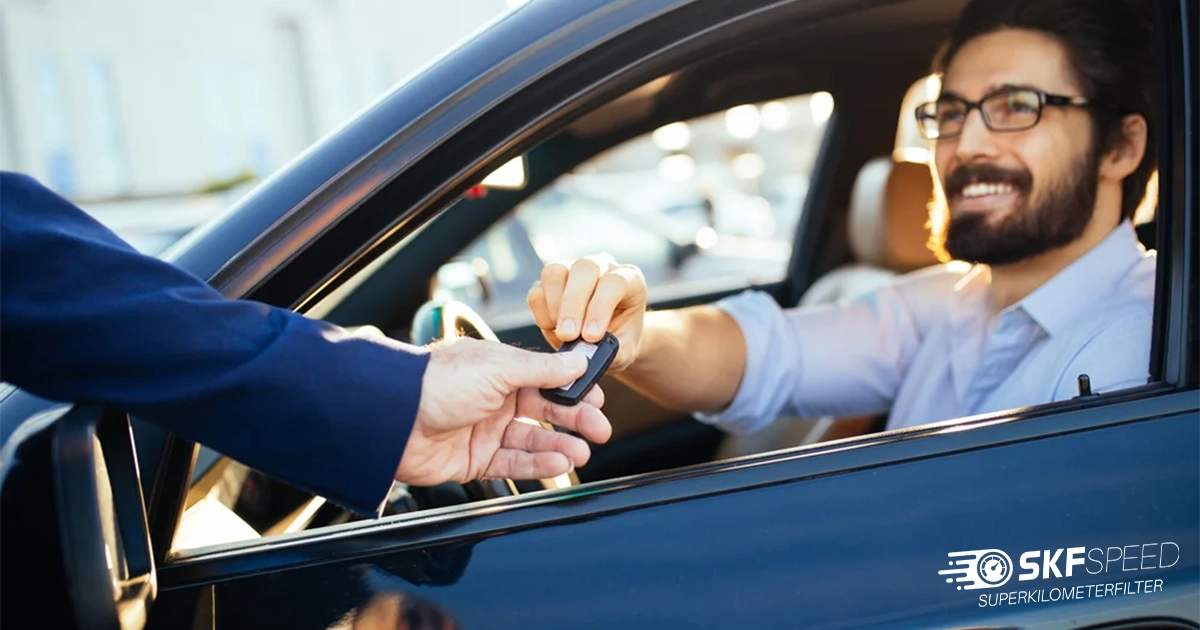
We discussed how a relay attack affects your vehicle security. To avoid such troubles, try to store your key fob inside a signal-blocking pouch when not using it. These special pouches block wireless signals and help prevent relay attacks. Also, don’t leave keys near your doors or windows at home.
Use strong passwords
While talking about wireless connections, we all know that it requires passwords. But how crucial is that part? Your vehicle apps need strong passwords just like banking apps or email accounts. It’s as crucial as your personal data. Avoid simple passwords such as:
- 123456
- “Password”
- Your birthday date
- Your car model
Such passwords are easy to guess and put your car in danger. It’s better if you enable two-factor authentication for additional security.
Be careful with Bluetooth connections
Bluetooth connections can turn into hacked data and lost connections. Only pair trusted devices with your automobile. It’s also essential to remove old phones and unused devices from the system regularly. Avoid connecting to unknown wireless networks inside your car at all costs.
Avoid unofficial software modifications
If you’re a car enthusiast, you might have thought of installing unofficial automotive software to unlock extra features. Remember that this creates serious cybersecurity risks. Also, unauthorized modifications may weaken built-in protections and expose sensitive systems. Hence, think carefully before you make such a decision.
Simple security checklist for drivers
- Update automotive software monthly
- Use strong app passwords
- Keep Bluetooth disabled when unused
- Store the key fob safely
- Avoid unofficial accessories
- Monitor strange vehicle behavior
- Check app login activity regularly
What do cybersecurity statistics reveal about modern cars?
Studies show that the average modern car contains between 50 and 150 electronic control units and can generate up to 25 gigabytes of data every hour. Researchers from IBM Security also found that automotive cyber incidents targeting connected cars, mobile apps, charging stations, and cloud databases increased significantly because more vehicles adopted smart technology.
To protect vehicles from such malicious activities, professionals need to constantly test automobiles. They check every single detail and also how new updates affect the car’s overall performance. Such testing requires tremendous effort, time, and tools that will help testers do their job smoothly.
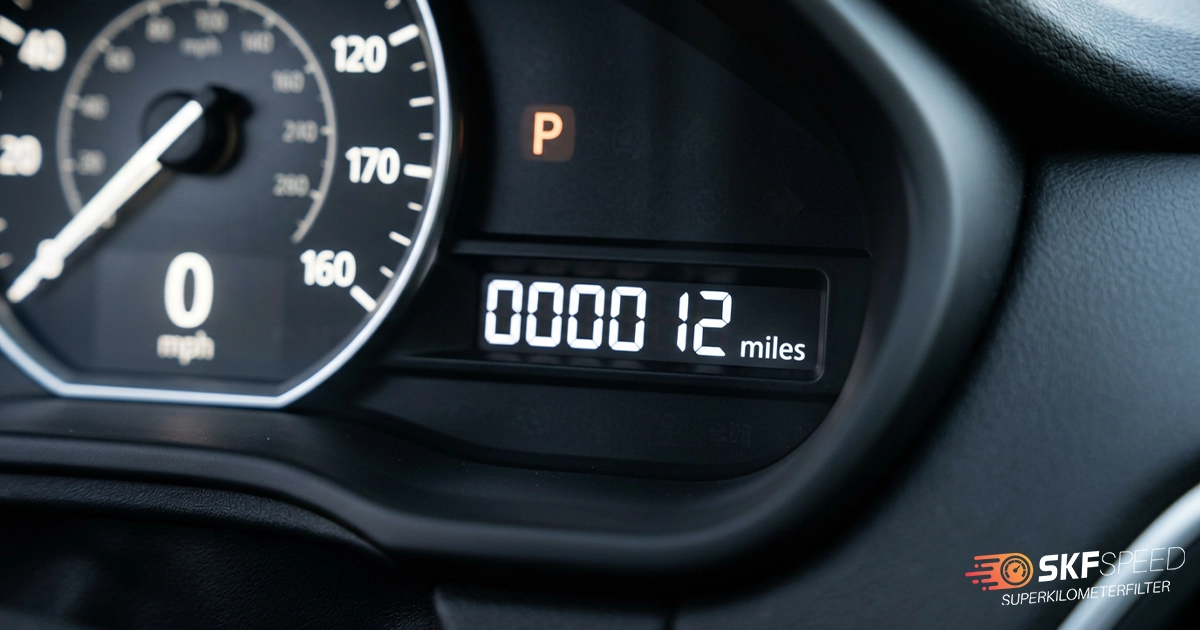
Why is Mileage Blocker an essential tool for car testing?
Car testers need a device that will help them save time and do their job without extra stress. While testing and tuning, a vehicle will count up new miles. This is where Mileage Blockers come into play.
The mileage Blocker is a smart device that halts the mileage recording process. It prevents the system from recording new miles. Additionally, the SKF mileage blocker never stores the data in ECUs, which makes it completely untraceable.
The blocker device is famous for its premium materials and flawless performance in harsh weather conditions. What’s even cooler? It comes with a mobile app, and you can monitor/control the module directly from your phone. Easy installation guidelines will help you save money and time!
Remember that mileage blockers are meant only for car testing and tuning. Everyone should use this device ethically and in accordance with the local laws and regulations! For any questions, please contact the customer support department.
Takeaway
Getting a car hacked has become a nightmare for modern car owners. New automobiles rely heavily on software, Bluetooth, GPS, and other wireless connections. Every vehicle owner should follow basic steps to make their vehicles more secure. As smart and autonomous vehicles evolve, cybersecurity awareness becomes essential for your safety and vehicle protection.

By Maria Laskowski




Service center
CUSTOMER CENTER
Here you will find all the details about our company
Shipping and return
Here you will find shipping and return related information
Technical Support
Here you will find information on all technical questions
Installation Support
Here you will find helpful information about installation