>
>

Knowing when to change your motor oil can be confusing, especially when your dashboard reminder says one thing and your mechanic says another. The debate around synthetic oil change time vs mileage has been going on for years, and both sides have strong points. But if you want your car to run smoothly and your engine to last longer, you need to understand what each method means and when to use it. Let’s break it down clearly and find out how to make the right choice for your vehicle.
When maintaining your car, two main factors determine when you should get your oil changed: time and mileage. Both methods aim to protect your engine, but they rely on different conditions.
If you’re someone who drives long distances regularly, mileage is the key factor. But if your vehicle sits parked for weeks at a time, the time between oil changes matters more. Oil breaks down naturally due to oxidation and moisture, even if your automobile isn’t moving.
In short, synthetic oil change time vs mileage depends on your driving routine. If you drive a lot, mileage counts more. If you drive rarely, time should guide your schedule.
The synthetic oil change time vs mileage question isn’t just about habit. It’s about how your oil performs under different conditions.
Mileage-based oil changes make sense if you drive frequently. When your engine runs, oil collects dirt, metal particles, and combustion byproducts. Over thousands of miles, it loses its protective strength and must be changed.
Time-based oil changes are more important for people who don’t drive often. Even without many miles, oil ages and loses quality. Moisture buildup and oxidation reduce its ability to lubricate, leaving your motor unprotected.
Mileage method pros: Ideal for high-mileage drivers, keeps oil fresh, and ensures the engine stays clean.
Mileage method cons: May waste good oil if your vehicle doesn’t get much use.
Time method pros: Prevents oil degradation during long idle periods.
Time method cons: Can be unnecessary if your oil is still clean and not heavily used.
If you drive every day or take long road trips, base your oil changes on mileage. If you have multiple cars or drive infrequently, follow the time rule instead.

Not all synthetic oils are the same, and the oil type you choose affects how long it lasts before needing to be changed.
According to the U.S. Department of Energy, using high-quality synthetic oil can improve engine efficiency by 1–2% and extend motor life. This means fewer oil changes and better long-term maintenance.
If your automobile’s manual recommends full synthetic oil, stick with it. While it costs more upfront, it provides superior protection and longer intervals between changes.
Skipping your synthetic oil change time vs mileage schedule can lead to serious damage. As oil ages, it loses its lubricating power and allows friction between metal parts. That can result in higher temperatures, sludge buildup, and early engine wear.
Researches show that nearly 20% of vehicles on U.S. roads have overdue oil changes, and many experience performance issues because of it. Old oil thickens, clogs filters, and starves the motor of proper lubrication.
Consider two drivers:
When deciding between synthetic oil change time vs mileage, follow whichever comes first. This simple rule protects both daily commuters and occasional drivers.
For example, if your manufacturer recommends 10,000 miles or 12 months, that means you should change oil once a year, even if you only drive 4,000 miles. Oil deteriorates with time, not just with miles.
Most modern vehicles now feature oil life monitoring systems that track driving conditions, engine temperature, and mileage to calculate the right moment for an oil change. When your dashboard light turns on, don’t ignore it.
Here’s a general guide:
The way you drive and where you live also influence how often your oil needs to be changed. City driving, with frequent stops and short trips, puts more strain on your engine than highway driving. Constant idling or towing heavy loads also reduces oil life.
Temperature plays a role too. Cold weather thickens oil, while heat causes it to degrade faster. If your car operates in extreme conditions, adjust your maintenance schedule accordingly.
A J.D. Power study in 2023 found that more than one-third of drivers who follow manufacturer recommendations still require earlier oil changes because of severe driving conditions. This shows that the factory guide is a starting point, but real-world use tells the full story.
There are simple ways to tell when your oil needs changing, regardless of synthetic oil change time vs mileage.

Auto experts agree that both time and mileage matter for optimal maintenance. The American Automobile Association reports that following the “whichever comes first” rule can extend engine life by as much as 25%.
For instance, Toyota recommends changing synthetic oil every 10,000 miles or every 12 months, while Ford suggests 7,500 miles or six months. These differences reflect variations in engine design and oil system efficiency.
If you drive an older automobile, live in a hot or cold climate, or use your vehicle for short trips, change oil a bit earlier than suggested. Preventive maintenance is always cheaper than engine repair.
Creating your own oil maintenance schedule is easy once you know your driving habits. Write down your average monthly mileage and the date of your last oil change. Then calculate the next due date based on the earlier of time or miles.
You can use apps or built-in systems that remind you automatically. Many newer cars connect to your phone and notify you before the oil quality drops too low.
Routine oil changes also give mechanics a chance to check filters, belts, and fluid levels. Regular maintenance keeps your vehicle running efficiently and helps you avoid future issues.
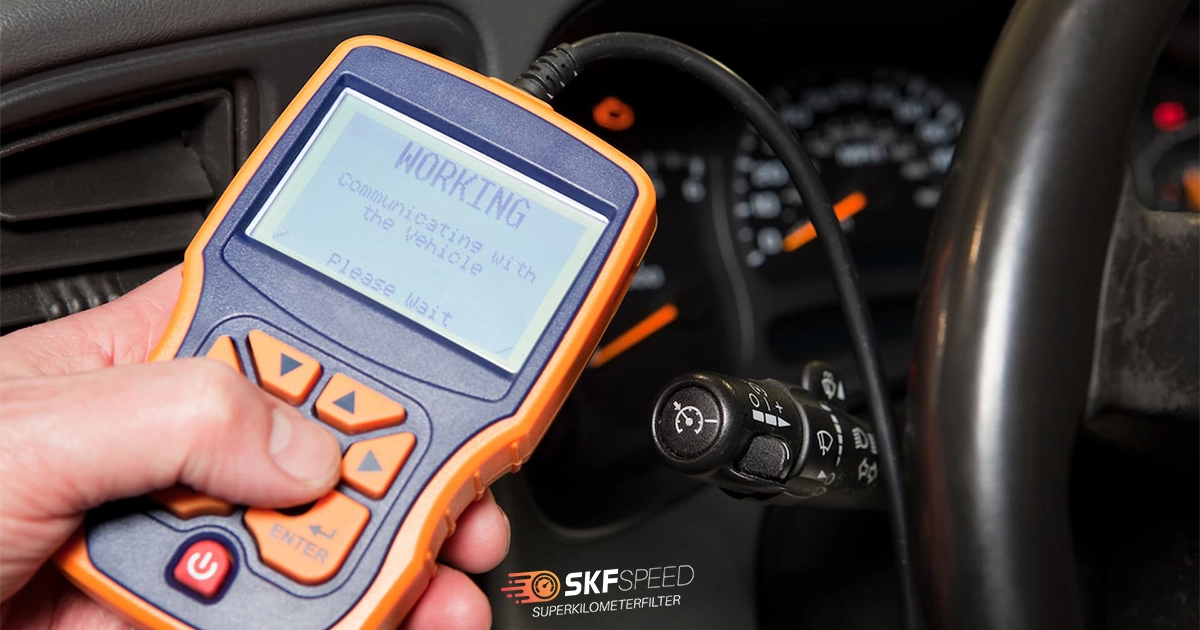
The Mileage Blocker from SKF is the best gadget for your vehicle. The mileage blocker is an advanced device that aims to stop mileage recording while a car is moving. It prevents the system from storing distance data in the ECUs, making the mileage completely untraceable.
The SKF mileage blocker has several advantages that make it unique. This blocker comes with a handy mobile app, allowing you to control everything directly from your phone. If you wonder how reliable it is. The device is built from high-quality materials, ensuring smooth performance even under extreme weather conditions. It also offers several operating modes, so you can choose the one that fits your needs best. In addition, the SKF mileage blocker has easy DIY installation instructions; hence, you don’t need to visit a mechanic for installation.
Keep in mind that this tool is meant for automotive testing only and should always be used responsibly in compliance with local laws. For any further assistance or questions, please contact our support team.
The synthetic oil change time vs mileage debate doesn’t have one universal answer. The right choice depends on how and where you drive, the oil type you use, and the condition of your engine. If you travel long miles often, follow mileage. If your car sits idle for long periods, follow time. The best practice is to stick to whichever comes first. Regular maintenance protects your vehicle, saves money on repairs, and keeps your motor performing at its best for years.



Here you will find all the details about our company
Here you will find shipping and return related information
Here you will find information on all technical questions
Here you will find helpful information about installation




 Deutsch
  Русский
  Español
  Italiano
  Français
  Portuguese
  Türkçe
  Ελληνικά