Deutsch
  Русский
  Español
  Italiano
  Français
  Portuguese
  Türkçe
  Ελληνικά
  >
>
How does mileage affect a car? | car mileage hacks

Car mileage is one of the most important factors to consider when buying, maintaining, or selling a vehicle. Every mile your car drives impacts its value, performance, and long-term maintenance costs. Understanding how car mileage affects your vehicle can help you make smarter decisions and keep your automobile running smoothly for years.
In this blog, we will break down everything from daily driving tips to resale value and maintenance strategies to get the best out of your car.
How does mileage affect a car?
Mileage influences almost every aspect of a car’s life. From engine performance to resale price, the number of miles driven is a direct measure of wear and tear. A car with high mileage often requires more frequent maintenance. That’s why it has a lower resale value compared to a vehicle that has been driven less. However, not all high-mileage cars are bad, and not all low-mileage cars are good.
How mileage affects engine performance
The engine is the heart of every automobile. Over time, as the miles add up, engine components experience wear. For instance, timing belts, water pumps, and spark plugs all degrade depending on usage. Cars driven long distances at steady speeds tend to fare better than those used for short trips, where the engine doesn’t reach optimal temperature.
Let’s take a look at the example. A car with 150,000 miles driven mostly on highways can be in better shape than a 70,000-mile car that mostly runs in city traffic with frequent stops and starts. Checking odometer readings alongside maintenance records gives a more complete picture of engine health.
How mileage impacts vehicle resale value
Resale value drops significantly as car mileage increases. Cars with 50,000 miles or less often get a higher price than those with 100,000 miles or more. High mileage is frequently associated by buyers with higher maintenance expenses and possible engine issues.
A general rule of thumb is that vehicles lose approximately 20 percent of their value in the first year and around 10 percent each subsequent year, but high mileage accelerates this depreciation. Therefore, keeping mileage reasonable is a smart way to protect your investment.
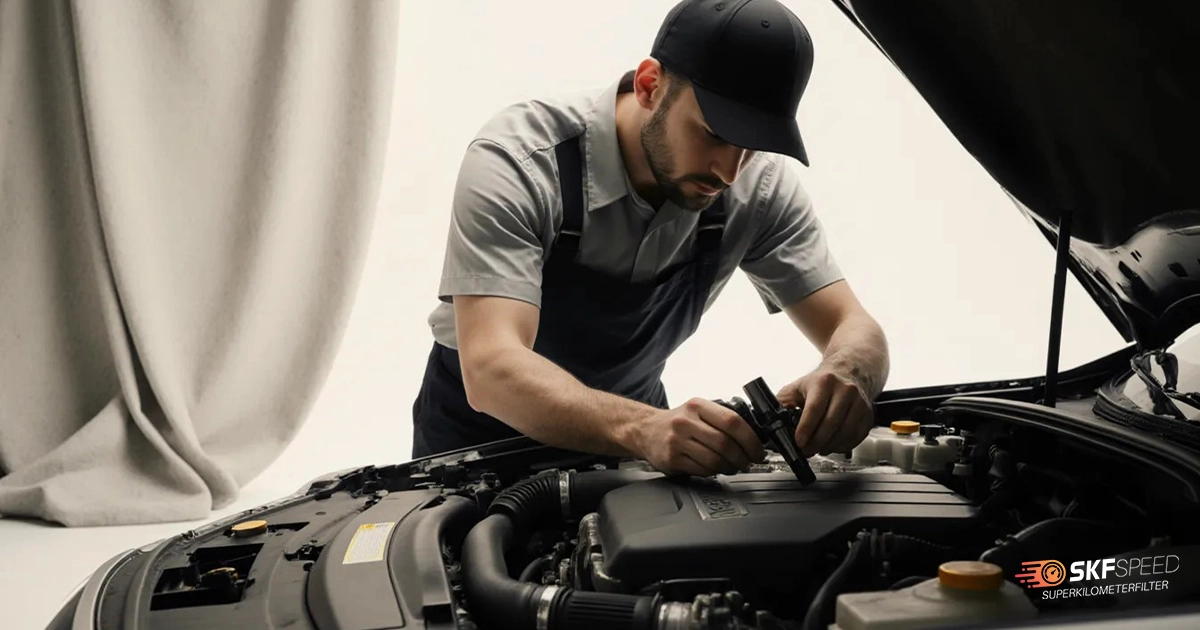
Top tips to maintain good car mileage
Maintaining good car mileage is not just about driving less. Aspects such as driving habits, maintenance, and fuel consumption significantly affect your vehicle. The following tips will help you ensure your car stays reliable for longer:
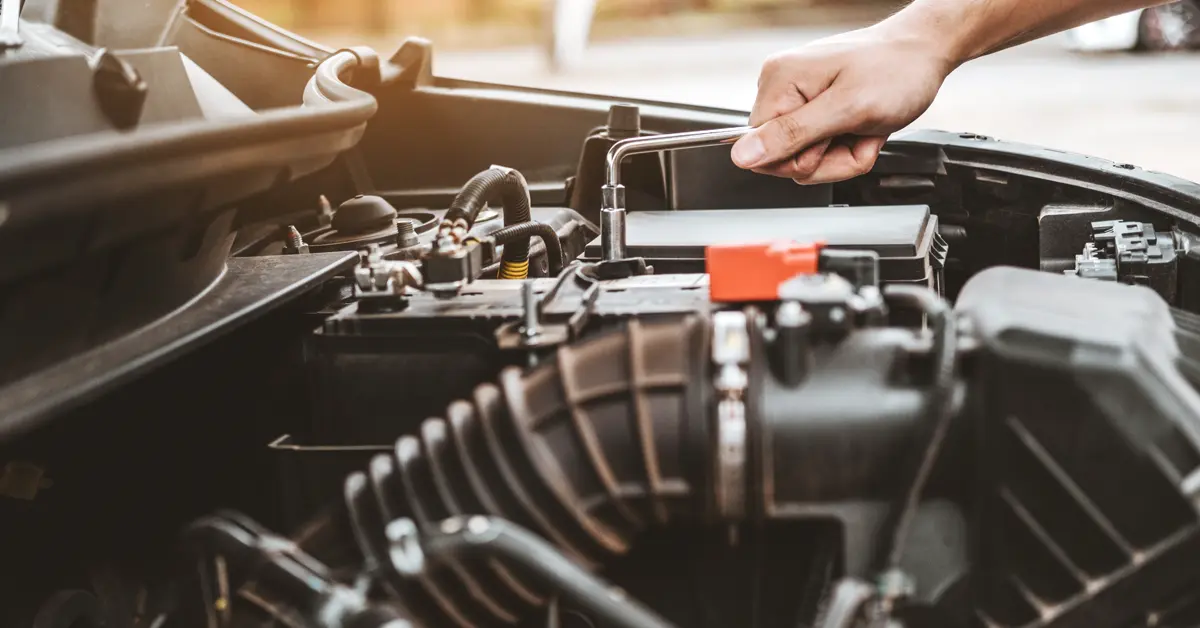
- Do regular maintenance check-ups to boost your vehicle’s efficiency. This includes oil changes, brake checks, and fluid top-ups. In the long term, this will prevent costly repairs.
- Always monitor tire pressure of your car. Properly inflated tires improve fuel efficiency and reduce wear.
- Try to avoid aggressive driving. The main reason is that rapid acceleration and sudden braking increase fuel consumption and damage parts much faster.
- Reduce unnecessary weight in the car. Extra cargo can lower gas mileage and strain the engine.
- Plan trips efficiently. Combining errands into one route can lower miles driven.
- Maintain accurate odometer reading by avoiding tampering or neglecting service logs.
These tips are very useful as drivers who follow such practices improve fuel efficiency by up to 15%. Hence, implementing them in your daily life can extend the lifespan of your automobile.
Understanding the impact of mileage on car maintenance
Mileage can provide various useful insights about the vehicle. It can determine what type of maintenance your automobile requires.
Common maintenance tasks by mileage
Based on the covered mileage, you will know which maintenance aspects require more attention. Here are some examples:
- After every 5,000 to 7,500 miles, you should change the engine oil and filter;
- Inspect brakes, tires, and belts every 30,000 miles;
- Replacing the timing belt and water pump is required after every 60,000 miles;
- Every 100,000 miles: check major systems like transmission and suspension;
The following general requirements are crucial. If you ignore maintenance guidelines, it can lead to expensive repairs. That is why knowing the exact mileage for used cars is essential to follow up and continue maintenance schedules properly.
How mileage affects fuel consumption
Fuel economy is directly linked to car mileage. Older cars with high miles tend to consume more fuel due to engine wear, clogged filters, or ageing spark plugs. On average, a car driven over 150,000 miles may see a 10 to 20 percent drop in miles per gallon compared to when it was new.
Here is a scenario. Suppose you drive a car that used to get 30 miles per gallon. After 120,000 miles, the fuel efficiency might drop to 26 miles per gallon. Over a year of 12,000 miles, that difference can cost hundreds of dollars more in fuel.
Buying a used car and mileage considerations
When you look at a used vehicle, the first thing most people check is the car’s mileage. It matters just as much as the price, overall condition, and maintenance history. Low mileage usually feels reassuring, but if a car has unusually low miles for its age, that can be a red flag. It might mean the vehicle sat unused for long periods or has issues the seller is not mentioning.
What to check before buying
There are multiple steps you need to take before buying a used car. The following steps will help you make the optimal decision and avoid future complications:
- Carefully check odometer readings and compare them to different official records.
- Inspect the vehicle physically, especially for wear on pedals, seats, and tires, If their condition doesn’t correspond to actual mileage, that can be a red flag.
- Try to detect any signs of engine repairs or replaced parts.
- Check and analyze previous ownership and accident history. Make sure that the whole story aligns with the documentation and the vehicle’s appearance.
Sometimes the real case is not about mileage. A well-maintained high-mileage car can be a better option for purchase than a low-mileage car with inappropriate care.
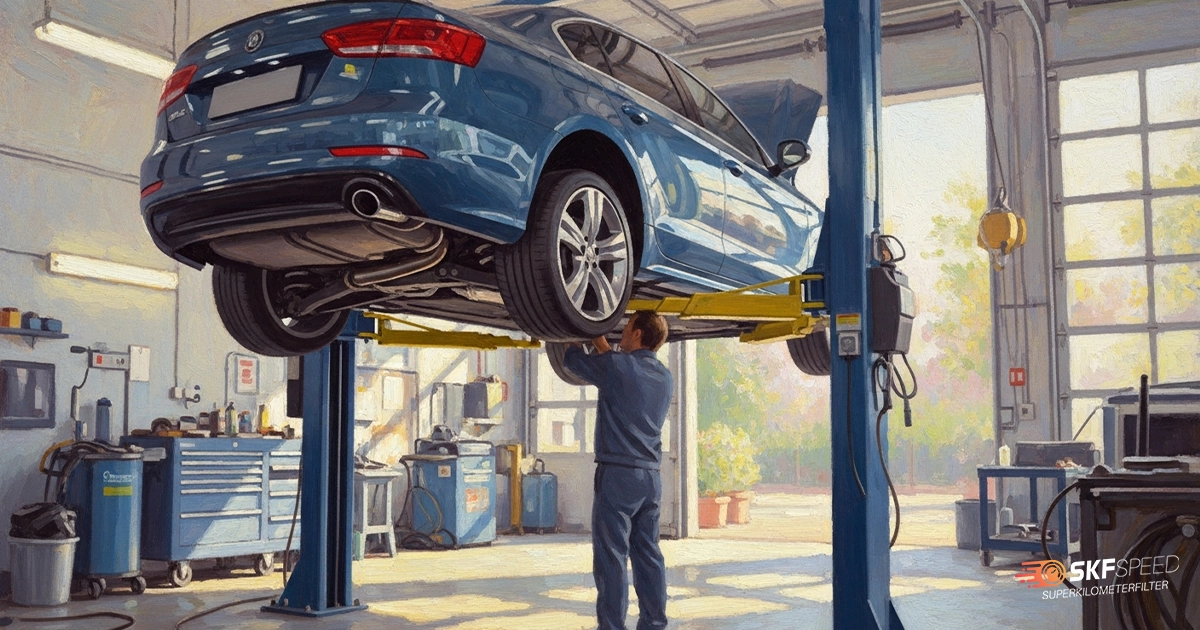
Can mileage be reset or manipulated?
Unfortunately, some sellers attempt to reset or roll back car mileage to boost resale prices. This practice is illegal in many countries and can cause serious issues for buyers. Always verify odometer readings with service records or certified inspections to avoid getting a used vehicle with manipulated mileage.
Even small discrepancies can cost thousands in repairs and reduce trust in the vehicle. Using digital tools to cross-check maintenance history and mileage trends can help buyers avoid these risks.
What Are Mileage Blockers?
A Mileage blocker is a tool that prevents a vehicle from storing miles in its system. This approach guarantees that the new mileage won’t be recorded or traceable. Compared to other devices, the mileage blocker doesn’t delete or roll back any miles that have already been recorded.
What are its advantages? The mileage blocker is completely untraceable, and not even scanner tools can detect it. Thanks to its highest quality materials, the blocker is functional even in harsh weather conditions. Moreover, it comes with a mobile app that lets you control the module right from your phone. And the best part is that it’s very easy to install. Thanks to its DIY installation instructions, anyone can install it without a professional mechanic.
If you decide to buy the mileage blocker, you can purchase it online from the SKF website. However, remember that this device is only for car testing and should be used by professionals under a strictly controlled environment.
Consequently, how does mileage affect a car?
In the end, automobile mileage is an indication of wear and usage that affects fuel economy, performance, maintenance, and resale value. Cars with less mileage often have reduced depreciation, greater resale values, and maybe better dependability. Even while high-mileage cars need to be regularly inspected and maintained, they may still benefit their owners if they are driven correctly.
You may make smart choices while purchasing, selling, or maintaining a car if you know how mileage impacts your vehicle. Budgeting for fuel, car maintenance, and possible repairs is another benefit.
Takeaway
Car mileage plays a huge role in how long your vehicle stays reliable and how much value it keeps over time. When you pay attention to how often your car needs maintenance and how your daily driving habits affect it, you start to understand its true condition. These small observations make it easier to spot problems early, avoid unexpected repair costs, and keep your car running smoothly for years.

By Maria Laskowski





Here you will find all the details about our company
Here you will find shipping and return related information
Here you will find information on all technical questions
Here you will find helpful information about installation