Deutsch
  Русский
  Español
  Italiano
  Français
  Portuguese
  Türkçe
  Ελληνικά
  >
>
Do you do car maintenance schedule by mileage or time in general?
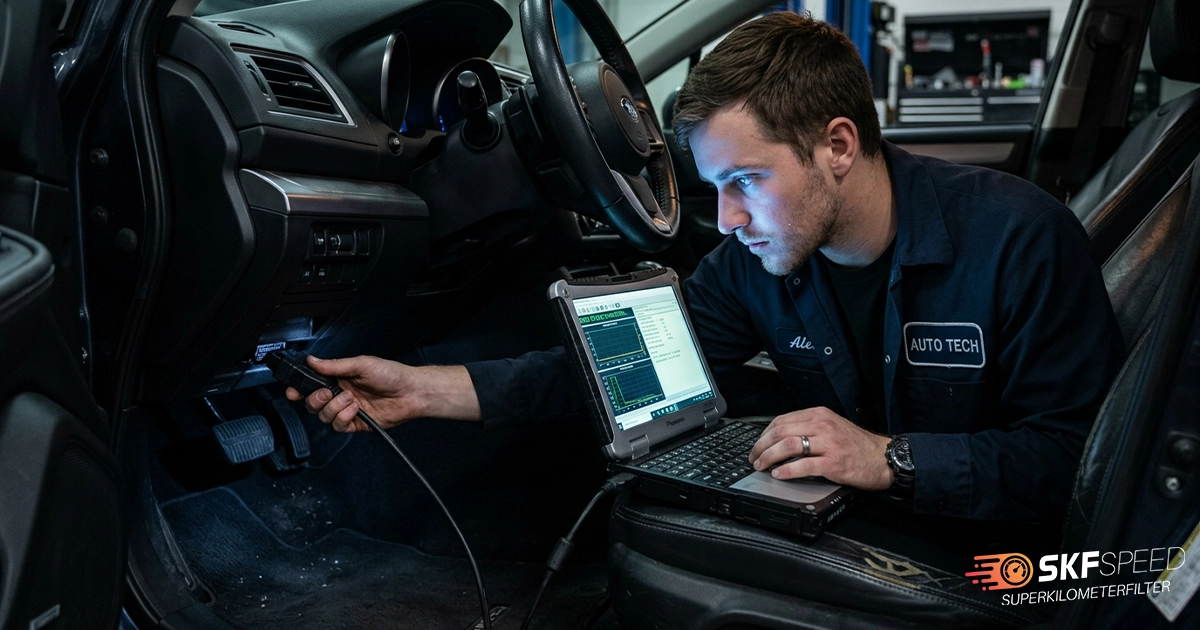
Car maintenance schedule by mileage or time is a major dilemma for most car owners; In practice, automotive experts suggest that combining mileage-based and time-based maintenance approaches is must for optimal vehicle care. Whether you are actively on the road or use the automobile passively, the automobile experiences hidden or apparent chemical and mechanical changes. For example, Oxidation and Acid Buildup are risks for engine oil if we are referring to calendar, and the risk of friction if we are looking at the odometer. The same things happen when referring to other fluids and components. Sometimes, the cost of inactivity and shelf life for car is almost the same as the cost of adding a lot of mileage. Neither of them is an exception.
In the following paragraphs, we will discuss all aspects regarding the time-based and mileage-based maintenance, what they imply, what components are mostly affected, and provide necessary tips about the car maintenance by mileage.
How to follow car maintenance schedule by mileage or time?
The best solution is to determine which comes first for you: if you are a typical high-mileage driver, it’s obvious you should prioritize your odometer milestone, but if you use your car occasionally, your first concern should be time. The following maintenance schedule is critical for any car owner. As a rule of thumb, you should always follow your manufacturer’s recommendations and check your owner’s manual. These are designed around your driving habits, environment, and the age of your car. Still, mileage and time stand out as the two reliable factors for accurate estimation and planning maintenance.
Let’s answer the question – car maintenance schedule by mileage or time separately in detail to learn more about each.
When does a mileage-based maintenance schedule win?
Mileage milestone-based maintenance is the priority for all drivers who spend a lot of time on the road and average or exceed average yearly mileage. To prove this point, it is enough to state that even car manufacturers set 30/60/90k miles maintenance schedules – the guideline which is crucial to prevent major vehicle issues and keep the automobile longevity. Car maintenance by mileage rule is defined as following:
30,000 miles service
It’s like a quick refreshing of the vehicle after the first few years of usage. Usually, it implies oil, air, and cabin filter change. Additionally, replacing lubricants such as brake fluid. At this milestone, you generally need to monitor and inspect brakes, pads, and rotating and aligning tires.
60,000 miles service
It’s a stage of car service that may request more attention and more replacement of potentially worn-out components. Spark plugs and drive belts need inspection and replacement if necessary. As for fluids, transmission fluid and brake fluid should be replaced.
90, 000 miles service
When you reach this milestone, it means your vehicle has gone so far with the existing components, proving the durability, and now it is time to replace the old parts to increase its lifespan. At this milestone, you need deep inspection and replacement of the suspension components, water pump, cooling system, and exhaust system.
When does time-based maintenance schedule dominate?
Time-related maintenance is the most relevant for automobiles, which spend most of their service life in the garage. The owners of such cars are the types who drive a little and keep the car parked most of the time. This usually happens due to the lifestyle or some other conditions, for example, it’s the second or third car, working from home, and having short, infrequent trips for groceries. When the automobile is still for an extended time. Such car owners need to consider that they can avoid high-mileage-related issues, but they can’t avoid mechanical problems from idling. While vehicles record minimal mileage, they are at risk of the following issues: oil degradation, battery drain, and fluid breakdown. As a result, even low-mileage cars require regular servicing, proving that time-based maintenance becomes essential when usage is limited. So, car maintenance schedule by mileage or time is not the dilemma, it’s more about understanding what you should pay attention to depending on the usage patterns.

Time-based maintenance checklist
In the following table, you will learn the distinctions between some car components/systems and the optimal time for replacement.
| Component/system/fluids | Time intervals | Why it wears (despite the low mileage) |
| Brake Fluid | Every 2 years | This fluid easily absorbs moisture, so it reduces braking efficiency |
| Battery | Every 3-5 years | Self-discharging, inactivity accelerates sulfation, reducing capacity |
| Air Filter (Engine and Cabin) | Every 1-2 years | Dust, moisture, and debris can build up even if the car isn’t driven often |
| Spark Plugs | Every 3-5 years | When a car isn’t driven regularly, corrosion and deposits tend to accumulate more easily. |
| Tires | Every 5-6 years | Long periods of inactivity can make rubber harden, crack, and lose its shape |
Should I go by date or mileage for oil change?
You should go by what milestone comes first in your case. If you spend most of your time on the road, 5,000 miles (on average) is the time for an oil change. On the other hand, if your automobile is a “garage queen”, you should go by date and replace it every 6-12 months.
At the end of the day, both active usage of the automobile and standing still cause different kinds of problems to oil:
- Mileage accumulation directly causes physical friction and thermal breakdown of the oil.
- Infrequent trips can be damaging for the engine. Oil starts to break down as soon as it’s exposed to air and engine dirt. When you take short trips, the engine doesn’t get hot enough to dry out moisture.
So, the key is to observe the usage patterns of your vehicle and choose whatever works best for you. Maybe it is car maintenance by mileage, sometimes it’s better to consider time intervals first.
Ignoring maintenance intervals – regardless of which metric you pick- increases the risk of sudden and costly mechanical breakdown significantly.
What is the cost of ignoring the recommended maintenance intervals?
Neglecting recommended maintenance intervals is quite costly, increases the risk of mechanical failure and safety issues, and harms you financially. According to the Bureau of Labor Statistics, in today’s market, car repair costs have risen over 33% since 2021. Additionally, vehicles without regular preventive maintenance experience up to 42% more breakdowns compared to properly maintained cars.
Let’s make a detailed breakdown of the outcomes with examples of ignoring car maintenance schedule by mileage or time:
- Increased repair cost – On average, every $1 spent on routine maintenance saves approximately $4 in repair costs later. For example, if you neglect a routine oil change, which costs $50–$120, you will end up with sludge buildup and consequently engine wear or failure. The repair cost will reach $2,000–$6,000.
- Safety issues – The probability of sudden breakdowns increases the risk of accidents. According to the National Highway Traffic Safety Administration (NHTSA) approximately 2% of all vehicle crashes to mechanical failure, most of which are preventable. poor maintenance contributes to roughly 2,600 deaths and 100,000 injuries annually in the United States.
- Bad resale value – According to Kelley Blue Book, keeping full service records can boost your car’s value by 15% to 20% versus a similar car with no maintenance history. The attitude of buyers plays an important role here, but it is quite fair. For many buyers, gaps in service history or skipped basic maintenance immediately raise concerns. They are mostly right because of the potential future mechanical issues.
- Worse fuel efficiency – Bad fuel economy directly harms you financially. Sometimes, all it takes is fixing a clogged air filter to use less fuel. Spending $30–$50 on a simple replacement can save you much more in the long run. So, if you drive a lot, consider routine car maintenance by mileage, and never underestimate even small issues.
It’s not always necessary to ask the mechanic everything; sometimes, there are things you can test and repair yourself, too.
Car maintenance you can do yourself
Whether you are a car enthusiast or not, there are very simple tasks you can do yourself without further assistance. Those tasks are DIY, and sometimes, you must know some of these if you spend a lot of time on your wheel. It’s not only about saving a budget, but it’s also more about safety. These are the following:
- Tire pressure check
- Engine air filter replacement
- Fluid level check (Engine oil, coolant, brake fluid, power steering fluid, windshield washer fluid)
- Light bulb replacement
You can save money if you do them, but always consider keeping the receipts when you buy the parts. This way, you will prove that the maintenance task was performed.
Before following car maintenance schedule by mileage or time, ensure that the odometer reading reflects the real numbers; you may end up with false mileage readings, which leads to unnecessary maintenance tasks.

What to look for to avoid misunderstanding with mileage?
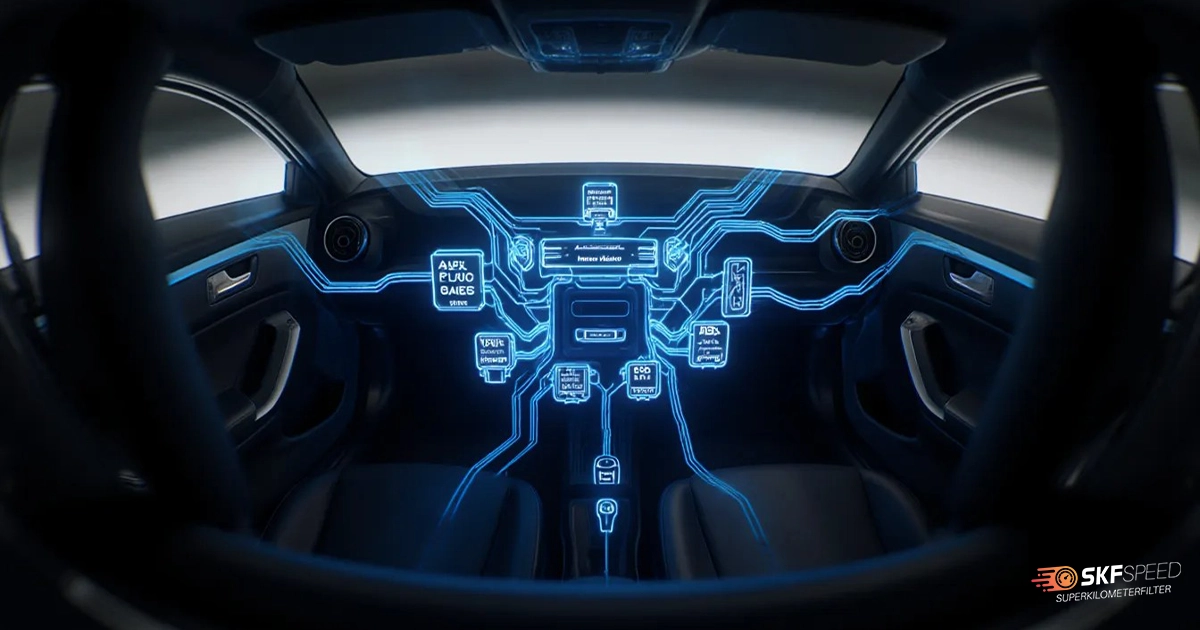
Make sure that the odometer is properly calibrated, is not broken, or is not been tampered. Odometer correction is a serious issue, and millions of people face odometer fraud, which is an illegal practice of reducing a vehicle’s displayed mileage to increase its resale value and deceive potential buyers. Individuals have various access to many tools on the market, and they use those devices to tamper with the odometer reading. Fortunately, most of the tools are detectable; they are easily detected with most scanning tools, because they remove the genuine reading from the odometer, but real information stays unchanged in other control units.
On the other hand, there are advanced testing tools that are very essential for car owners to test the automobile in peace, without worrying about adding unnecessary miles on the odometer. One of the most popular and effective device is Mileage Blocker.
Mileage Blocker is an advanced testing tool
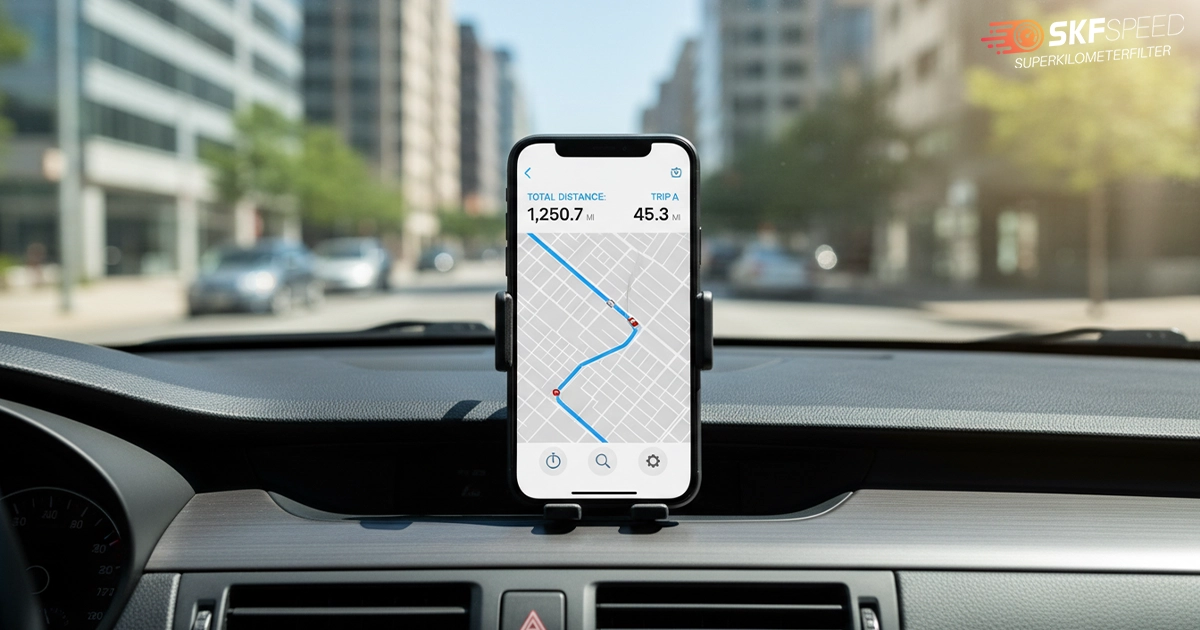
Mileage blocker from Super Kilometer Filter is an advanced testing tool that can halt the mileage recording process unconditionally from all control units. The best thing about the device is that it doesn’t cause any flaws in the CAN Bus System. The installation and usage of a Mileage blocker is legal in most countries, such as the US, UK, and many others. You can install this module to test the performance of your vehicle in a controlled environment. If you follow car maintenance by mileage, just track your odometer closely to stay on schedule.
Odometer blocker is available online for purchase; you can buy it for almost any maker and model. The device comes with a smartphone application, which makes it more advanced and convenient. In short, the device offers the following benefits:
- DIY installation;
- No unforeseen flaws in the car system;
- Smartphone application;
- Undetectable performance;
- Different modes to choose from
If you have additional questions regarding the device, the support team is available to answer them.
Takeaway
Car maintenance schedule by mileage or time is not about making a choice; it is more about prioritizing correctly. You can prioritize each one, depending on your car usage patterns. Following the routine maintenance is the best thing you can do for your automobile if you care about its well-being.

By Maria Laskowski






Service center
CUSTOMER CENTER
Here you will find all the details about our company
Shipping and return
Here you will find shipping and return related information
Technical Support
Here you will find information on all technical questions
Installation Support
Here you will find helpful information about installation