Deutsch
  Русский
  Español
  Italiano
  Français
  Portuguese
  Türkçe
  Ελληνικά
  >
>
How to tell mileage without odometer?
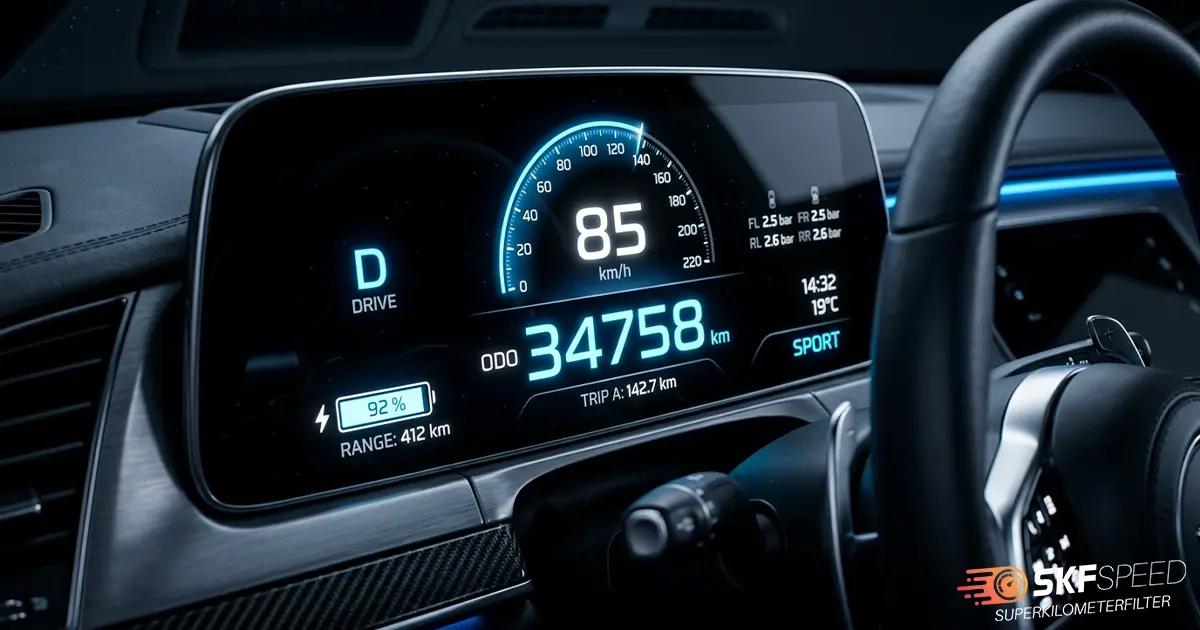
If you want to tell mileage without odometer, you are not alone. We all face this problem when the dashboard stops showing correct miles, the digital reading freezes, or the system simply breaks. But the story isn’t over. The good news is that there are several ways in which you can check the actual mileage of a vehicle without relying on the odometer.
In this blog, we will discuss practical methods and tools that will help you detect the genuine mileage of an automobile. The goal is simple. You want accurate numbers without guessing.
Why do people try to tell mileage without odometer?
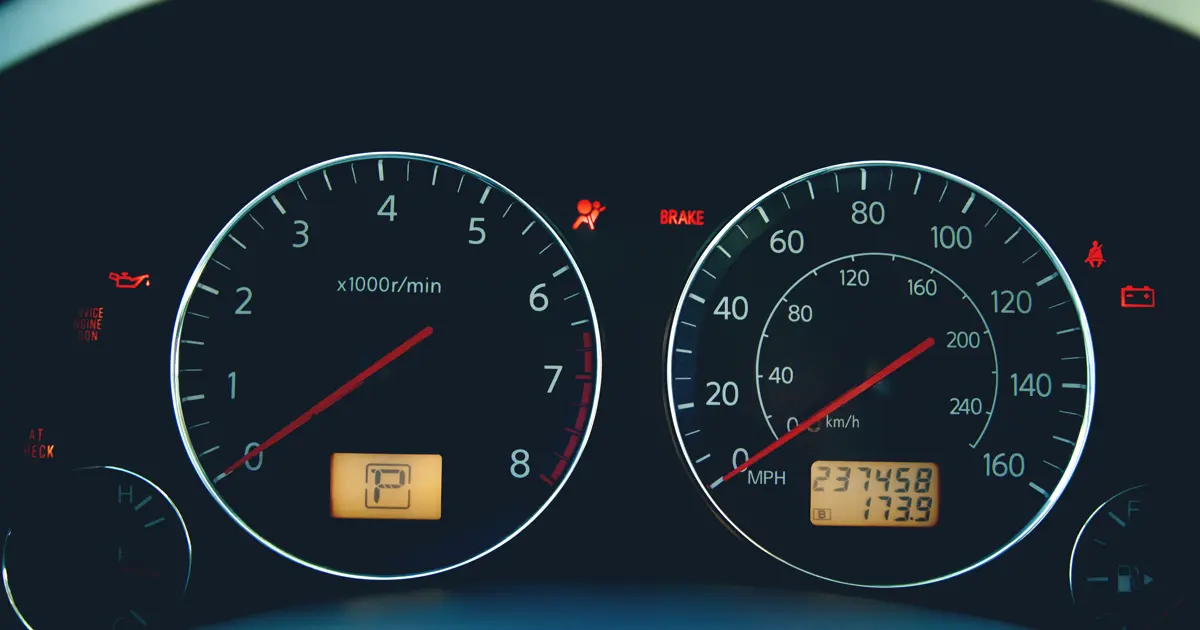
People try to tell mileage without odometer because the original reading is not always reliable or trustworthy. In many vehicles, the dashboard may stop working, and the digital display freezes. In rare cases, the system may become broken after repairs or electrical issues. Even though such scenarios are not common, they may still occur and create issues.
On the other hand, sometimes buyers simply want to double-check the mileage accuracy and make sure that a car is genuine and not manipulated. This is especially important in the used automobile market, where incorrect mileage can hugely affect price and reliability. Drivers also want to know the actual miles to plan maintenance, track performance, and avoid unexpected problems. Hence, when the standard reading is not showing or cannot be trusted, finding alternative ways becomes your only smart option.
Common reasons your odometer is not working
There are several reasons your vehicle’s odometer can be showing incorrect information. Here are the most common ones you need to consider.
- The digital dashboard stops working due to electrical issues.
- The instrument cluster fails, mostly in older cars.
- The system has malfunctioned and does not update miles.
- The odometer is broken after repair or replacement.
- The vehicle has been tampered with.
Modern vehicles heavily rely on electronic systems. As soon as something goes wrong, the mileage reading may stop displaying accurate data. That’s exactly when you need to consider alternative ways of mileage tracking.
Why accurate mileage still matters

Mileage has a big part in determining a vehicle’s overall condition and value. Most of the time, it’s one of the first things people check when they want to buy a new car, because accurate mileage directly affects resale value. Cars with fewer miles are usually sold faster and at a higher price. It’s not a coincidence. Such cars are considered in better condition, while high mileage is associated with older or heavily used automobiles.
But an odometer doesn’t help solely in mileage reading. It will help you stay in maintenance. When you know the real mileage, you can follow service schedules and change parts on time. Overall, you keep the vehicle running smoothly.
For buyers, it’s a way to check if a deal is legit. A mismatch between condition and mileage can indicate hidden issues or manipulation. According to the US Department of Transportation, incorrect mileage reporting can lower a car’s value by up to 40 percent. That is a significant loss that no owner wants to risk.
What are the best methods to tell mileage without odometer?
Let’s see practical examples of how you can check the odometer. Here are the most effective ways to find the actual mileage without relying on the dashboard reading.
1. Use a diagnostic tool to scan a vehicle
A diagnostic tool is one of the most reliable solutions to detect odometer manipulations. It connects to a car and checks stored data from control units.
Most vehicles store mileage data in multiple electronic modules. Even if the odometer is broken, the system still records miles elsewhere.
So, how should you use a diagnostic tool? You can follow these step-by-step instructions:
- Connect the OBD2 tool to your vehicle.
- Turn on the ignition.
- Scan the system for stored mileage data.
- Compare values from different modules.
This method gives you a clear picture and is widely used by mechanics and professionals.
2. Check service and maintenance records
Every time you take a car to service, the mileage is officially recorded. You can track the history over time and estimate the current mileage. In order to use this information, you need to look for:
- Oil change records
- Inspection reports
- Repair invoices
- Warranty documents
These four records will provide you with all the official data about your vehicle mileage. If the numbers increase consistently, you can calculate the current miles with high accuracy.
3. Use GPS tracking data
If your vehicle uses GPS tracking, you already have a mileage history. This is one of the most effective ways to track your vehicle’s miles. Many modern cars track the distance daily. You can access this data through apps or tracking platforms.
This method is very useful for business vehicles and rental cars. They use GPS tracking systems to double-check the data and always have their own statistics for comparison.
How to tell mileage without odometer using physical signs
Interior wear and tear
First rule: Always check the interior of a vehicle. It can tell you more about the automobile than most official records. If you find any signs that don’t correspond to the official mileage records, it must become a red flag. There are several factors that you need to carefully check before buying a car.
- Steering wheel condition.
- Pedal wear.
- Seat fabric or leather.
- Gear shift usage.
If you check these parts thoroughly, you will identify the most common mismatches. For example, a car with only 55,000 miles should not have heavily worn pedals or worn leather. If it does, something is off, and you have to be extra careful.
Tire condition and replacement cycles
Tires can reveal mileage patterns more than checking service history. But what should you look for while checking them? The following facts will help you identify issues regarding tires.
- Most tires last between 40,000 and 60,000 miles.
- New tires on a low-mileage car are suspicious.
- Uneven wear may indicate higher usage.
If you quickly go through these three filters while examining vehicle tires, you will identify odometer manipulations with ease.
Engine condition and performance
You probably already know that an engine is probably the most important part of any automobile. It’s responsible for smooth driving and overall performance. The good news is that a well-maintained engine behaves differently, and you can easily detect a problem.
To identify an engineering issue, carefully listen for any of the following:
- Rough idle
- Delayed acceleration
- Unusual noises
New or well-maintained vehicles have a flawlessly working engine. Therefore, you shouldn’t hear any abnormal sounds while the engine is working. These signs help you estimate whether the mileage realistically corresponds to the engine condition.
Vehicle history reports
A vehicle history report is a strong database that provides you with the full information about services and any official records. These reports are essential because the data is extracted from multiple sources, and you can cross-reference to check whether they match.
The vehicle history reports give you several pieces of information regarding your vehicle.
- Previous mileage records
- Ownership history
- Accident reports
- Inspection logs
Every time, the automobile mileage is recorded. Hence, you can check whether the mileage growth is logical and corresponds with the current odometer reading.
Mileage tracking apps
Technology always provides extra comfort in our everyday driving. Companies develop new apps that track miles from the moment you install them. Apart from mileage tracking, these apps include additional features, such as:
- Automatic trip logging
- Distance calculation
- Real-time tracking
- Data export
Even if your odometer is broken, these apps help you maintain an accurate record.
Can you trust mileage without odometer readings?

You can trust mileage without odometer readings, but only if you verify the data from multiple sources. Studies confirm that relying on a single method can lead to errors of up to 20 percent. This number can grow higher, especially when only visual inspection is used.
On the other hand, if you use digital tools such as OBD scanners, accuracy can increase to around 90-95%, since many vehicles store mileage data across multiple ECUs.
The most reliable results come from combining digital tools, service history, and physical inspection. Here is the explanation. Service records can provide a consistent timeline, while wear-and-tear indicators help confirm that numbers make sense. Reports from authorities suggest that cross-checking at least two independent sources can reduce the risk of incorrect mileage estimates by more than 60 percent. You are right, no single method is perfect. However, when you use them together, they give you a clear and much more trustworthy picture of the actual mileage.
What is a mileage blocker, and why do you still need it?
A mileage blocker is a compact device designed to halt mileage recording during controlled diagnostic or testing procedures. It allows professionals to evaluate a vehicle’s performance and run necessary checks without adding extra miles to the system.
The device is unique as it comes with several advanced features. It offers a simple installation process and can be controlled through its mobile app. Moreover, you can switch between multiple testing modes depending on your needs. Most importantly, it is built with premium quality components to ensure stable performance, even in harsh conditions. The technology is designed so that it does not store mileage data in the vehicle’s ECUs; therefore, the mileage is completely untraceable.
This SKF mileage blocker is created strictly for professional testing purposes and should not be used during everyday driving. Authorized testers can purchase the mileage blocker through the SKF website. Always follow local laws and regulations. Please don’t hesitate to contact the support team if you need guidance or have further questions.
Takeaway
You can tell mileage without odometer if you use the right combination of methods. You should rely on diagnostic tools, service history, and physical inspection to get accurate results. Remember that no single approach gives you a complete result. However, together they provide comprehensive information for comparisons. Don’t forget to always verify all data and avoid guesswork. This way, you can determine the correct mileage without depending on a faulty or missing odometer.

By Maria Laskowski







Service center
CUSTOMER CENTER
Here you will find all the details about our company
Shipping and return
Here you will find shipping and return related information
Technical Support
Here you will find information on all technical questions
Installation Support
Here you will find helpful information about installation