>
>

Low-mileage car insurance discounts are one of the easiest ways for modern drivers to lower insurance costs without switching cars. If you drive less than average, you are already statistically safer, and insurance companies know it. That is why insurers increasingly offer special pricing models designed for people who simply do not spend much time on the road.
Many people still pay standard auto insurance rates even though they barely use their vehicle. This guide explains what low mileage really means, which policies reward it, and how drivers can find the best and cheapest options available today.
Your insurance pricing depends on risks. If your vehicle has more miles, there is a higher risk of accidents, claims, and repairs. That’s why every additional mile increases exposure, especially in urban areas with heavy traffic.
Studies across the auto insurance industry show that drivers with lower annual mileage file fewer claims and cost insurers less money. That is why mileage has become one of the most important pricing factors, alongside age, location, and driving history.
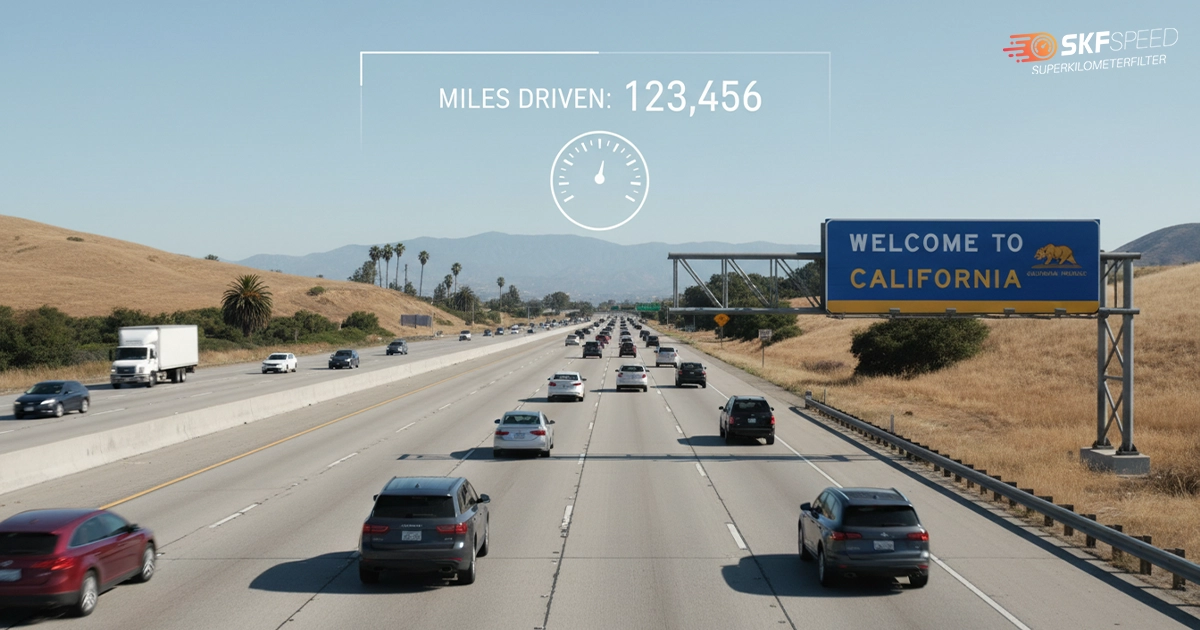
In busy states like California, this difference becomes even more obvious. A driver who spends hours in traffic every day faces a much higher accident risk than someone who drives only on weekends. From an insurer’s perspective, rewarding low mileage is simply logical.
This shift explains why low-mileage car insurance discounts are no longer niche products. They are now part of mainstream insurance pricing.
Most insurance companies define low mileage as driving between 5,000 and 7,500 miles per year. Some insurers set even lower thresholds, especially in high-traffic states.
To put this into perspective, the average American driver travels about 12,000 miles annually. Anyone driving well below that number immediately stands out as a lower-risk customer.
Low mileage is common among people who work from home, retirees, students, and households with multiple cars. Even drivers who commute short distances can fall into this category without realising it.
If your vehicle spends more time parked than moving, your mileage is likely to qualify you for better prices.
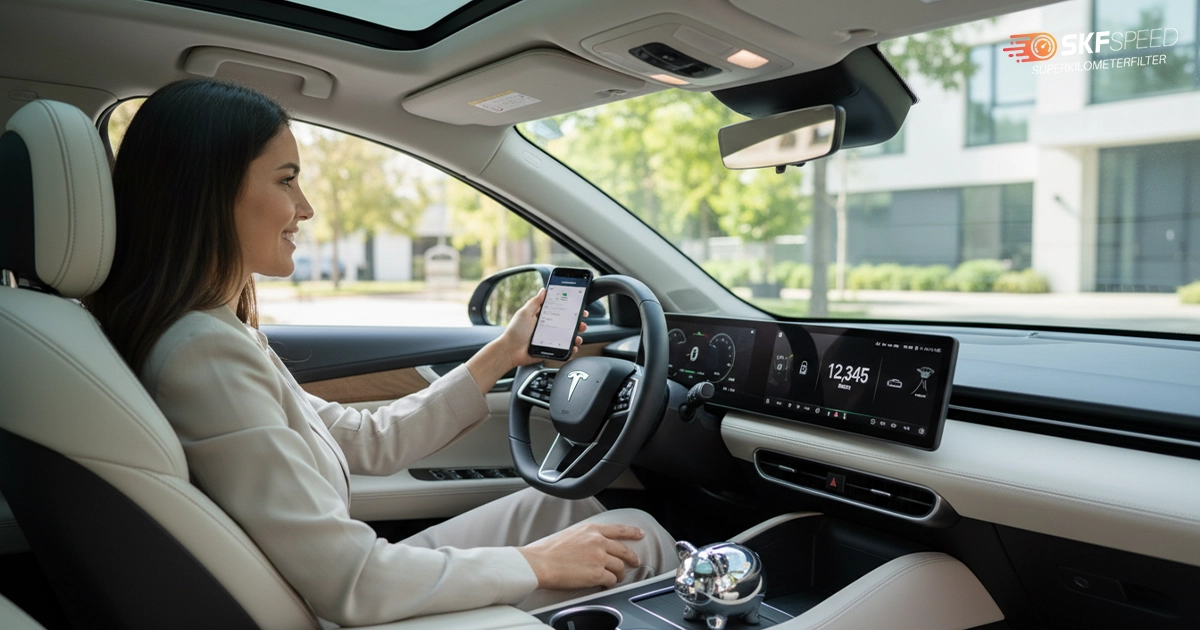
There are several insurance models that reward you for low mileage. Every discount works slightly differently. Some may offer you a traditional discount, while others completely change how they calculate premiums.
These discounts apply when drivers report low annual mileage at the time of purchase or renewal. In this case, the insurer adjusts the monthly premium based on estimated usage.
The low-mileage discount works best for drivers with predictable habits who prefer simplicity. There is no tracking app, no device, and no monthly mileage reporting. You simply agree on a mileage estimate and receive a discount for staying under it.
Pay-per-mile insurance is one of the most direct ways to benefit from low mileage. Instead of paying a flat rate, drivers pay a small base fee plus a cost per mile driven.
For low-mileage drivers, this often results in the lowest possible insurance prices. Someone who drives only a few thousand miles per year can see dramatic savings compared to traditional policies.
Pay-per-mile insurance is especially popular in California and other urban states, where short trips are common, but traffic risks remain high.
Usage-based insurance combines mileage tracking with driving behaviour. These programs use apps or small devices in the vehicle to collect specific data.
Drivers who maintain low mileage receive the biggest rewards, and over time, the insurer will adjust pricing based on real-world behaviour.
Let’s explain it with real life scenario. Imagine two drivers with identical cars and clean driving records. The first driver commutes daily and drives about 14,000 miles per year. The second driver works remotely and drives around 6,000 miles annually.
Despite driving the same vehicle, the second driver represents significantly less risk. Low-mileage car insurance discounts exist specifically to reflect that difference.
In real life, drivers who switch to mileage-based pricing often cut their monthly insurance bill by 20 to 50 percent, depending on usage and state regulations.
Standard insurance policies assume average usage. Even if you drive far less than average, you still pay for the risk you do not actually create.
Low-mileage focused policies reverse this approach. They price insurance based on real behaviour instead of general statistics.
With traditional insurance, pricing stays mostly fixed throughout the year. With mileage-based options, costs adjust based on how much you actually drive. For low-mileage drivers, this difference often results in noticeably cheaper monthly bills.
For many people, especially those with flexible work schedules, the newer approach feels far more fair.
Your state plays a major role in how low-mileage discounts are applied. Insurance regulations vary widely, and some states encourage usage-based pricing more than others.
California is one of the strongest markets for low-mileage insurance. High traffic density makes mileage a critical risk factor, so insurers actively compete for low-mileage drivers.
Other states with strong mileage-based programs include Oregon, Washington, and New York. In these regions, low-mileage drivers often see the best prices available on the market.
If you live in a state with heavy traffic but limited driving needs, your potential savings increase significantly.
Most insurers will ask you for verification to ensure accuracy. This process is usually straightforward. You may need to provide odometer readings during policy renewal or allow mileage tracking through an app.
Accuracy is key for insurance. Overestimating mileage can reduce your savings, while underestimating will lead to pricing adjustments later. Always keep a record of your monthly mileage and avoid issues.
If, for some reason, your driving habits change, update your insurer to ensure that your coverage and pricing remain aligned.
If you know these important details, you will make a decision more confidently and comfortably.
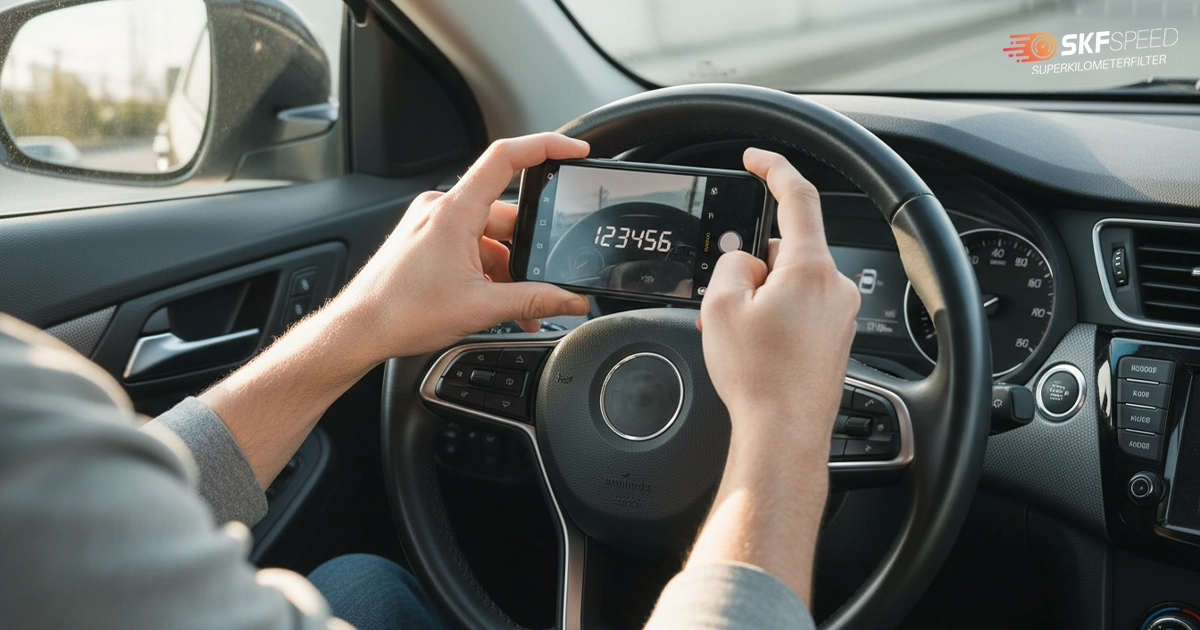
Finding the right policy starts with knowing your actual mileage. Many drivers overestimate how much they drive, which prevents them from qualifying for discounts.
Once you know your annual mileage, compare traditional low-mileage discounts with pay-per-mile options. In many cases, usage-based pricing delivers the cheapest results for low-mileage drivers.
Always review coverage limits carefully. Cheap insurance only works when it still protects your vehicle and finances properly.
Combining low-mileage discounts with safe driver rewards and multi-policy savings often leads to the best overall prices.
It is important to be clear that using any device or method to alter mileage readings for insurance purposes is illegal in many states. It can also lead to serious consequences. Insurance companies clearly warn drivers against manipulating mileage data, and policies can be cancelled if such manipulation is discovered.
Despite these warnings, some people still choose to use mileage blockers because such devices reduce recorded mileage. As a result, they can lower calculated insurance fees. This behaviour carries significant risk, and it’s not the right way to reduce insurance costs.
A Mileage blocker is a device that is famous for its efficiency and reliability. It’s easy to use and durable in even harsh weather conditions. The mileage blocker is famous for one very important reason: this device is completely untraceable.
How can it achieve such an outcome? The SKF mileage blocker prevents the system from saving the mileage information in the vehicle’s ECUs. As a result, the new mileage is simply not recorded. This device is strictly for professional car testing purposes and not for using on public roads.
Low-mileage car insurance discounts aim to reward drivers who simply spend less time on the road. If your car sits parked more than it moves, you should not pay the same insurance rates as high-mileage drivers. If you know your real annual mileage, you can lower your monthly costs without reducing coverage just by using the correct insurance option.




Here you will find all the details about our company
Here you will find shipping and return related information
Here you will find information on all technical questions
Here you will find helpful information about installation



 Deutsch
  Русский
  Español
  Italiano
  Français
  Portuguese
  Türkçe
  Ελληνικά