>
>

Annual mileage for car insurance is the total number of miles a driver covers in one year and helps insurance companies understand how often a person uses their vehicle. This number shapes risk levels, influences pricing, and highlights whether your routine fits typical patterns for most cars. If you drive more than the average person, your insurer expects higher exposure. If you drive less, they expect lower exposure.
In this blog post, we will discuss all the necessary information that you need to know about annual mileage for insurance.
Annual mileage affects car insurance because it helps companies build a realistic picture of how often a driver faces everyday road risks. If you’re always on the road, you naturally face more unpredictable situations. If your driving routine stays light, your exposure also goes down. The logic is simple, yet extremely important for fair pricing.
Insurers use mileage the same way a doctor uses blood pressure. It is one number that reveals a lot about your lifestyle. When your mileage rises, your routine often includes long commutes, highway driving, or busy routes filled with other vehicles. When your mileage stays low, your traffic time stays lower, too.
People often fall into three general mileage groups:
These groups help insurers categorise your risk level in a predictable and standardised way that keeps auto insurance fair.
Consider two drivers:
A: One drives four thousand miles a year in a quiet suburb and mostly uses their automobile for errands.
B: Another drives eighteen thousand miles each year in a large city with heavy traffic and unpredictable road activity.
The second driver interacts with more vehicles, more weather situations, and more daily challenges. Their rate reflects that difference because the road exposes them to more risk. These examples show why your annual mileage for car insurance plays a powerful role in determining your rate.
You should report a fair and honest estimate that matches your real yearly driving habits. Many drivers worry about being exact, but insurers only expect a realistic number that reflects average routines. A small difference does not matter and won’t cause any issues. But a major difference can affect your policy.
Think about your weekly routine instead of trying to memorize every trip. Most people follow patterns without realizing it. Your weekly commute, weekend activities, and occasional long drives create a predictable mileage number.
Here is a helpful way to think about your real usage:
When you add these together, a natural pattern appears. Some people in Texas might drive longer distances because cities are spaced far apart. People in compact cities often record lower numbers. Your estimate should simply reflect the world you live in.

There is no universal perfect number, but most companies consider around twelve thousand miles per year to be the average. Anything below usually puts you in a low-mileage category. Anything above often places you in a higher mileage group. However, lower and higher don’t determine which one is better. What counts as good depends on your lifestyle rather than what others do.
A good number reflects your routine honestly. A commuter with a stable daily job in an office usually falls into the eight thousand to twelve thousand range. Students often drive less. Travelers and field workers often drive more. Your life decides your number, not a target set by the insurance companies.
Drivers with lower mileage often pay less because their vehicles face fewer hours on the road. Drivers with higher mileage may pay more because they drive more miles and interact with more daily situations. Both are normal.
Your daily habits determine how much you drive. For instance, people who live in suburban areas often rely heavily on cars. People in dense cities may drive less and use public transport. Weather, city size, and personal preferences also shape your yearly number.
Common patterns based on the lifestyle:
Your lifestyle always influences the number more than any single factor. It affects how often and how much you drive your vehicle.
Mileage helps insurance companies understand large patterns in driver behaviour. They compare your number to similar drivers in the same region. They also look at the normal mileage patterns for your city, your type of vehicle, and your commute.
How do these numbers help insurers?
Your annual mileage for car insurance becomes one puzzle piece among many but still plays a major role in shaping your rate.
A better approach is to create a simple mileage journal. A small phone note works perfectly. Check your odometer at the start of each month. Write down the number. Twelve entries create a clear yearly pattern without any stress.
Tracking your annual mileage for car insurance reveals more than your monthly payment. It also helps with long-term budgeting. A driver who tracks mileage regularly often notices patterns. Some begin sharing rides. Some reduce long commutes. Some adjust shopping habits. Others balance usage between two vehicles to extend the life of their automobile.
Mileage also affects maintenance schedules because several tasks depend on miles instead of time:
Drivers who understand their mileage often save money because they plan maintenance around real usage rather than fixed dates.

Mileage rarely stays the same year after year. Life changes shape driving patterns naturally. A person who moves to a bigger city may start driving more. Someone who begins working from home may suddenly cut their mileage in half. A new job, a new family routine, or a new vehicle often shifts your yearly total.
Updating your estimate during renewal helps insurers keep your policy accurate. Companies do not expect perfection. They simply want numbers that reflect your real world habits.
A Mileage blocker is a compact device that stops mileage recording in a vehicle. It prevents automobile systems from storing any information in ECUs. Consequently, the real mileage-related data is untraceable.
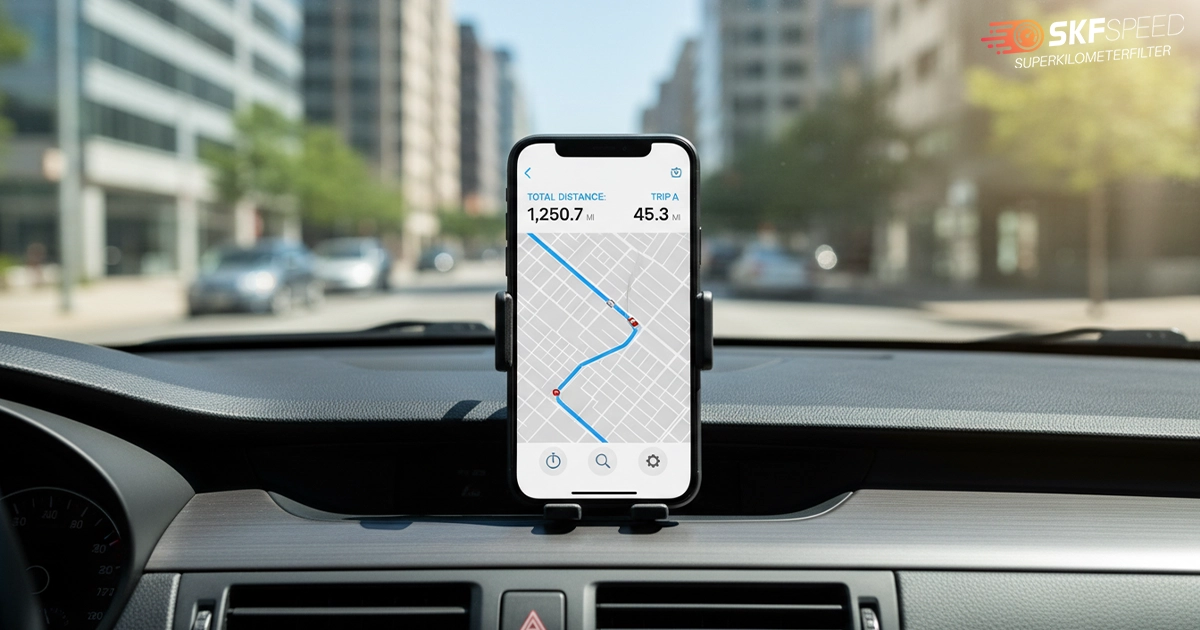
The mileage blocker has become popular because of its high efficiency and reliability. It is made of premium materials and works flawlessly in any weather conditions. Additionally, it has several modes, and you can always switch between them as needed. SKF mileage blocker also includes a mobile app that allows you to control everything from your smartphone. This smart device is now available, and you can purchase the mileage blocker online.
Even though Mileage Blocker is strictly for car tuning and testing, people sometimes use it to lower the car’s original mileage. It’s essential to utilise this device ethically and always follow local laws and regulations.
Annual mileage for car insurance plays a major role in shaping what you pay and how insurers evaluate your driving habits. Such calculations will help you stay accurate, avoid extra costs, and keep your automobile protected. It’s a perfect way to control your expenditures and the condition of your vehicle. Therefore, it is crucial to determine yearly mileage and long-term auto expenses.

Here you will find all the details about our company
Here you will find shipping and return related information
Here you will find information on all technical questions
Here you will find helpful information about installation




 Deutsch
  Русский
  Español
  Italiano
  Français
  Portuguese
  Türkçe
  Ελληνικά