Deutsch
  Русский
  Español
  Italiano
  Français
  Portuguese
  Türkçe
  Ελληνικά
  >
>
How the Per Mile Tax California Passed Affects Your Driving Costs in 2026
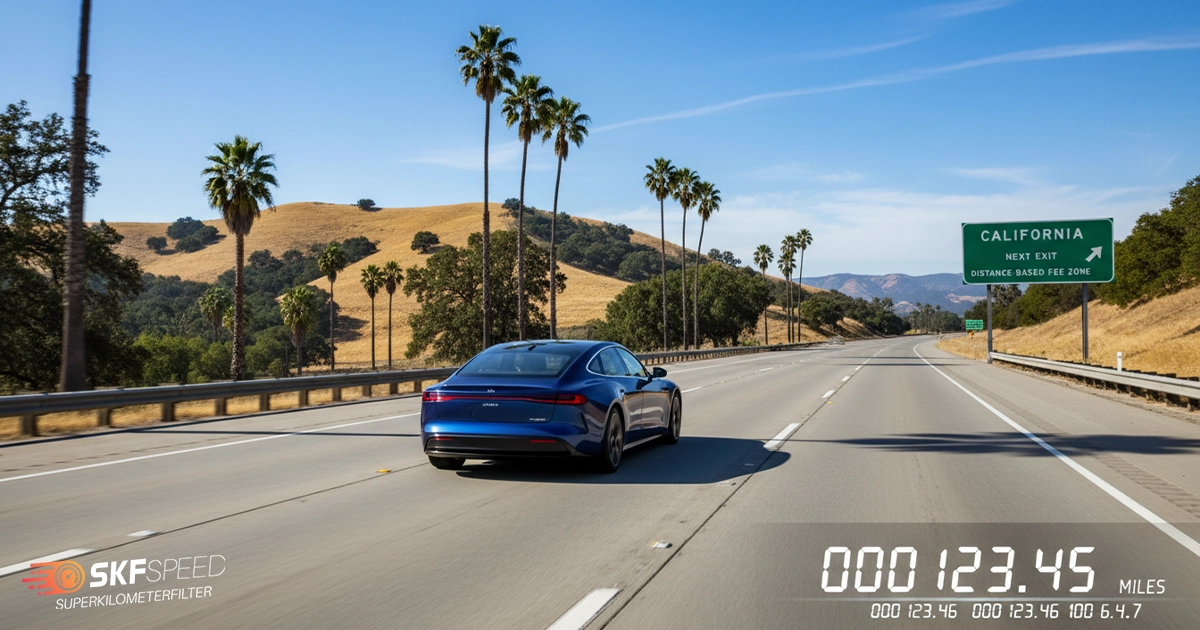
Car mileage is now at the center of one of the most talked about transportation policies in CA. The per mile tax California passed has sparked debates among drivers, politicians, and auto experts. Some see it as a fair solution for rising road costs. Others worry it will make driving even more expensive in a state that already struggles with high prices.
This guide breaks it all down in simple language. You will learn what the per-mile tax really is, how it works, who pays more, and who might pay less. We will also look at electric vehicles and real-life driving scenarios so you can understand how this change affects you.
What is the per mile tax California passed?
The per mile tax California passed is a road charge based on how many miles a vehicle travels. Instead of relying only on gas taxes, the state looks at the distance driven. The idea is simple. The more you drive, the more you pay.
California has tested this system through pilot programs for several years. Lawmakers argue that fuel taxes no longer cover road repair costs. Cars use fuel more efficiently now. Electric vehicles do not pay gas tax at all. That creates a funding gap for roads, bridges, and infrastructure.
With mileage-based fees, the state links road funding directly to usage. If you drive a lot, you contribute more. If you drive less, you pay less.
Why California moved away from gas taxes
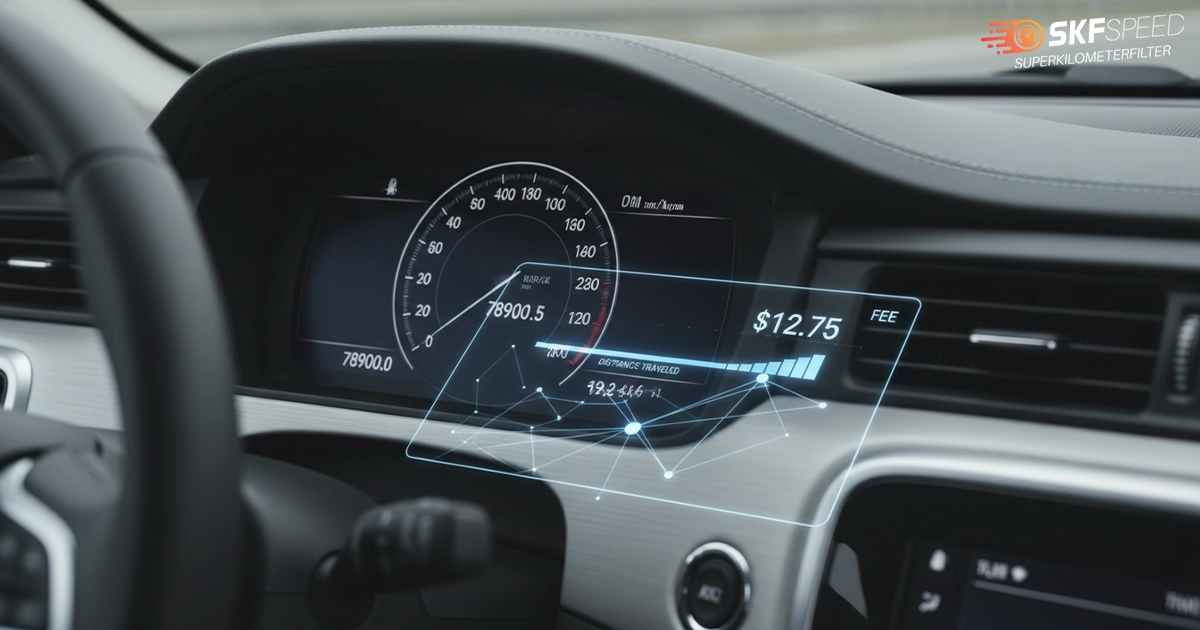
Gas taxes once worked well because fuel consumption closely matched road use. That is no longer the case.
Several trends pushed California toward change:
- Electric vehicle adoption is rising fast.
- Fuel-efficient cars pay less gas tax.
- Road maintenance costs keep increasing.
- Vehicle miles traveled continue to grow.
Electric vehicles currently contribute little or no revenue to the gas tax. At the same time, they still use public roads. State officials argue that this creates a funding imbalance that mileage-based fees can fix.
How mileage-based fees actually work
Under the new system, drivers pay a low rate for each mile traveled. The rate may change over time, but pilot programs tested amounts between two and four cents per mile.
Mileage tracking options include:
- Vehicle odometer reports
- Plug in devices
- Smartphone apps
- Annual mileage checks
Drivers can choose how their mileage is recorded. Privacy concerns pushed the state to allow multiple tracking methods.
Here is a simple example. Suppose the rate is three cents per mile. You drive 12,000 miles per year. Total annual charge equals 360 dollars. This replaces or reduces gas tax payments. It does not stack on top in most proposals.
What real California drivers could pay in a full year?
To understand the per mile tax California passed, it helps to look at realistic driving patterns instead of averages. According to California transportation data, the typical driver travels about 11,800 miles per year. Pilot programs tested mileage rates close to three cents per mile, which gives us a clear reference point.
At a three-cent rate, a driver covering 11,800 miles would pay around $ 354 per year. Under the current gas tax system, the same driver in a fuel-efficient car might pay closer to 250 dollars annually, while a less efficient car could exceed 400 dollars. This shows why the impact feels different depending on the vehicle and driving habits.
Now compare two real-life situations. A remote worker in San Diego who drives 6,500 miles per year would pay about 195 dollars. A daily commuter in the Inland Empire driving 19,000 miles would pay around 570 dollars. The difference is not about the car itself, but about how much the road is actually used.
This example highlights the core logic of the policy. The cost follows distance traveled, not fuel type, engine size, or vehicle age.
What is the California mileage rate for 2026
The California mileage rate for 2026 is based on the latest IRS standard mileage rules and applies to drivers who use their personal vehicle for work-related travel in CA. For 2026, the IRS set the business mileage rate at 72.5 cents per mile.
Therefore, you can deduct or be reimbursed for that amount for every business mile driven using your own car, truck, van, or similar vehicle. This rate increased compared to previous years, reflecting higher fuel prices, maintenance costs, insurance, and overall vehicle ownership expenses.
For comparison, the business mileage rate was 70 cents per mile in 2025 and 67 cents per mile in 2024. These steady increases show how driving has become more expensive, especially in California.
Per-mile tax VS gas tax in California
Gas taxes have long funded California roads, but they no longer reflect how people actually drive. Here’s a clear picture:
| Vehicle Type | Fuel Efficiency | Annual Miles | Gas Tax Paid | Per Mile Tax Paid (3¢/mile) |
| Fuel-efficient car | 35 mpg | 12,000 | $185 | $360 |
| Older car | 20 mpg | 12,000 | $325 | $360 |
| Electric vehicle | N/A | 12,000 | $0 | $360 |
This table shows the difference in taxes. Even if you drive the same distance, you’ll end up paying very different amounts under the gas tax. Even more, if someone uses Electric cars, they don’t pay anything, even though they also cause damage and wear on roads.
On the other hand, with a per-mile tax, costs are directly linked to the distance, not fuel use. If you’re a commuter, driving 20,000 miles per year, you’ll pay around $600, while a weekend driver with 6,500 miles only pays $195. This system scales naturally with real-world driving habits.
In short, gas taxes favour fuel efficiency but ignore actual road use. As for Per-mile taxes, they make everyone contribute fairly. Per-mile tax ensures that everyone pays for the damage they cause to the road, regardless of vehicle type.
Reimbursement strategies for business versus personal driving
Separating business and personal driving is essential, especially in California. It will help you get the proper reimbursements and tax deductions. To track these miles correctly, you should know how to distinguish between them.
Business miles include trips for work meetings, deliveries, or traveling between job sites. As for personal miles, they include commuting, errands, and personal leisure activities. Clear separation of these two helps you get reimbursed correctly.
Practical tips to manage reimbursements:
- You should log trips daily and note the date, destination, and purpose of each trip.
- Use mileage apps or odometer readings to automatically categorise trips and reduce human error.
- Review mileage reports monthly to catch mistakes early and ensure accurate reimbursements.
Practical example why seperating expenses matter
Let’s discuss two different scenarios to see the difference in taxes. Imagine a delivery driver in Los Angeles who drives 15,000 business miles per year. He can claim approximately $10,875 in deductions as the 2026 IRS business mileage rate in California is 72.5 cents per mile.
This is how it works: delivery driver’s 15,000 miles × $0.725 (California tax rate) = $10,875 deduction.
As for personal travel, there’s no tax deduction. Personal driving miles are not deductible from your income. So, if the driver drove the same 15,000 miles purely for your personal use, the expense wouldn’t reduce taxable income at all. However, remember that the reimbursement works when you document everything properly.
What happens if mileage is reported incorrectly
You should always try to avoid reporting incorrect mileage. Why? Inaccurate reports can lead to denied reimbursements, lower deductions, or IRS penalties. Below you can see common mistakes people make:
- Miscalculating miles or forgetting trips.
- Mixing personal and business travel without clear documentation.
- Overstating or understating total mileage.
You can fix some of these mistakes by updating the logs or adding supporting details such as dates, destinations, and trip purpose. However, during audits, authorities may request mileage logs, fuel receipts, or odometer readings from you. That’s why you need to properly document your treeps and keep clear, accurate records.
How to keep a compliant mileage log in California?

As an employer, you can ask for different types of documentation based on your reimbursement policies. Typically, a log would include:
- The miles driven for work
- The date
- The Destination
- The purpose.
If the reimbursement program is based on the actual expense method, all receipts for any vehicle-related costs must be kept and documented. Finally, documenting the total miles and calculating the business use percentage for your vehicle is also essential.
How does Mileage Blocker help you with reimbursement?
A Mileage Blocker is a device that helps car testers analyse your vehicle. The tool stops the mileage recording process while an automobile is in motion. With this, professional testers can fully test your car without worrying about recording extra miles.
The unique feature of the mileage blocker is that it doesn’t store distance-related information in ECUs. Hence, the actual mileage is not recorded, and no scanner tool can identify the real mileage.
How does this help you with taxes? With this tool, testers can fully evaluate your car’s performance, diagnostics, and functionality while keeping your car mileage intact, ensuring that the vehicle’s records remain reliable and precise.
What advantages does the mileage blocker have?
The mileage blocker has several unique features:
- The SKF mileage blocker is completely untraceable
- Easy DIY installation instructions that save your time and money
- The blocker has several modes to choose from
- Premium quality components that work even in harsh weather conditions
- It comes with a mobile app. You can monitor and control it from your phone.
Remember that the mileage blocker is only for car testing and tuning purposes. You can buy the mileage blocker from the SKF website.
Takeaway
The per mile tax California passed is a fee that charges drivers based on the miles they travel instead of fuel consumption. This approach ensures that everyone pays fairly according to the covered mileage. Make sure you have the correct deduction for proper tax and reimbursement.

By Maria Laskowski









Service center
CUSTOMER CENTER
Here you will find all the details about our company
Shipping and return
Here you will find shipping and return related information
Technical Support
Here you will find information on all technical questions
Installation Support
Here you will find helpful information about installation