>
>
Knowing how many miles a car can last can be a helpful hint for everyone who owns the automobile. Some automobiles perform at its best for longer run that others. The lifespan depends on various factors, such as brands and makers, the quality of maintenance, and even the driving patterns and habits of the owners. Over time, the vehicle’s lifespan changed constantly. Nowadays, we are expecting more from automakers, as they can manufacture better automobiles with advanced features and better materials, making the vehicles more reliable on the road in the long run.
Most automotive industry specialists suggest that passenger cars can last 200,000 miles if well maintained throughout their lifespan. Reaching 200,000 miles requires discipline, optimal car care and maintenance and driving habits. No automaker can promise a long lifespan without putting in enough effort.
In the following blog, we will answer the major question and list the most reliable brands that can go further than others and stay reliable on the road.
An automobile can exceed 200,000 miles when well-maintained throughout its lifespan. Surely, maintenance is not everything, but it plays a crucial role alongside brand reliability, driving habits, climate and powertrain.
Brand reliability is the first and most important factor in discussing an automobile’s durability. If the brand is not reliable, it doesn’t matter how much we take care of it. Let’s look at the ranking of the most reliable models among 20 cars offering the greatest potential lifespan. We can easily see that Toyota models take the most places, with 10 of the top 20 models reaching over 230,000 miles. This is why this brand remains the most authoritative when it comes to durability and lifespan. The other brands that perform like the Toyota are Honda, Nissan, Ford, GMC, and Chevrolet.
Following the maintenance schedule is another important aspect if you want to reach the highest mileage milestone with a durable brand. If you neglect necessary maintenance, even a durable car model may break down easily. Addressing minor repairs on time will save your automobile in the future.
Proper acceleration and braking are important for keeping the automobile in the best condition in the long run. Aggressive acceleration or braking is extremely harmful to EVs, as it consumes more energy and increases charging frequency, which can degrade the battery. Such improper driving is also harmful for ICE cars, as the engine/transmission and brakes are under stress.
The longevity and durability of the car greatly depend on the powertrain it relies on. Each of them has its own strengths and weaknesses. There is no single „champion“ of longevity among them. All we can do is discuss real-world examples and comprehensive data and draw some conclusions.
Gasoline internal combustion cars have the potential to reach and exceed 200,000 miles when well-maintained. Due to the type of cars, in the long run, they experience the following potential issues: engine wear, head gasket issues, timing chain/belt failure, transmission issues, rust/corrosion, and emissions system faults. However, those problems will usually start very late, when the car owner finally pays attention to small repairs and issues.
According to studies, electric vehicle batteries often last 15–20 years under moderate use, with an average annual capacity loss of 1–2%. One of the effective hacks to protect battery health is to pay attention to charging patterns. For example, avoid charging to 100% all the time and limit fast charging when possible. Driving behaviour is also key when it comes to electric vehicles. Although electric motors handle high torque well, constant harsh acceleration increases heat buildup and stress on the inverter.
Hybrid vehicles are outstanding in terms of expected lifespan; modern hybrids, such as those from Toyota and Honda, can last 155,000–220,000 miles without major issues. If they are maintained perfectly, sometimes even more than that. Their batteries have a lifespan of 10-15 years. the major reason why those types of vehicles are durable in the long run is the technology behind them. Those cars are equally reliant on electricity and gasoline.
Climate impact is significant in determining the vehicle’s lifespan, as it affects corrosion, the battery, lubrication, and cooling systems. In case of EVs hot climate can decrease the mileas it can last by 15-25%. The main reason is that batteries degrade more quickly in hot climates during charging. Hybrid lifespan decreases by 10-20%. Lifespan reduction is less evident in gasoline engines, at 5-10%. These vehicles experience fuel system problems in hot weather, as oil breaks down easily, and evaporation is additional stress for the fuel system. Colder climate also affects the lifespan, but it has less negative effect on each type of vehicle. The worst climate condition for EVs is a hot climate, for hybrids, it’s a desert and for gasoline cars, it’s a coastal/humid climate.
Yes, a car can last over 300,000 miles when it is well-maintained, is a reliable brand, and the driver has good driving habits. Toyota, Honda, and Lexus models are usually known for outstanding durability. The Toyota Camry, Toyota Prius, Lexus ES, Honda Civic, and Toyota Land Cruiser are common models that could reach such a mileage milestone.
In the following paragraphs, we name the most reliable brands that produce automobiles which stay on the road for a long time.
Studies, research, and real-life experiences show that some cars are outstanding in terms of the mileage they achieve over their lifetimes. So, their reliability scores are higher, and their potential lifespan exceeds expectations. iSeeCars analysed more than two million cars and ranked the most durable models. In almost all car model categories, Toyota is the champion, with its models dominating the rankings. However, below we have selected the top 3 models by brand to give you a wider range of choices if you are seeking reliable automobiles and need to decide between brands.
In the following table, you will see the top 3 brands and models in the Sedan category and check their scores in different aspects :
| Car model | Potential lifespan | Scores |
| Toyota Avalon | 245,710 |
|
| Chevrolet Impala | 230,343 |
|
| Honda Accord | 226,168 |
|
| Car model | Potential lifespan | Scores |
| Toyota Sequoia | 296,509 |
|
| Chevrolet Suburban | 265,732 |
|
| GMC Yukon XL | 252,360 |
|
| Car model | Potential lifespan | Scores |
| Toyota Tundra | 256,022 |
|
| Honda Ridgeline | 248,669 |
|
| Nissan Titan | 233,295 |
|
Maintenance quality, driving habits, environmental conditions, vehicle brand and maker- those are not a complete list of factors which influence the well-being of the automobile. The main point is that these factors are correlated. For example, even a highly reliable brand automobile will fail if you don’t maintain it correctly or if you have aggressive driving habits. In the same way, if your car brand is not very reliable, it’s hard work to maintain it and extend its lifespan.
If a driver who always forgets oil changes owns a Toyota Corolla (one of the most reliable cars), he may damage the timing chain, leading to expensive engine failure.
The driver loves aggressive driving, harsh acceleration and braking. He owns a Honda Civic, which is known as a reliable automobile for everyday use. After 3-4 years, early brake wear, transmission issues and worn-out suspension will be apparent.
Yes, it is. Mileage is one of the important criteria for judging the lifespan of the automobile. Sometimes, it is more important than age. For example, a 10-year-old automobile may have less mileage accumulated than a 5-year-old automobile. Higher mileage means that major car components experience wear and tear, and that lubricants need to be replaced more frequently. Surely, mileage tells the story, but not a complete story. High mileage means the automobile has experienced mechanical stress, including engine wear, suspension fatigue, and increased brake usage. In general, we can say what is considered medium, high or very high wear:
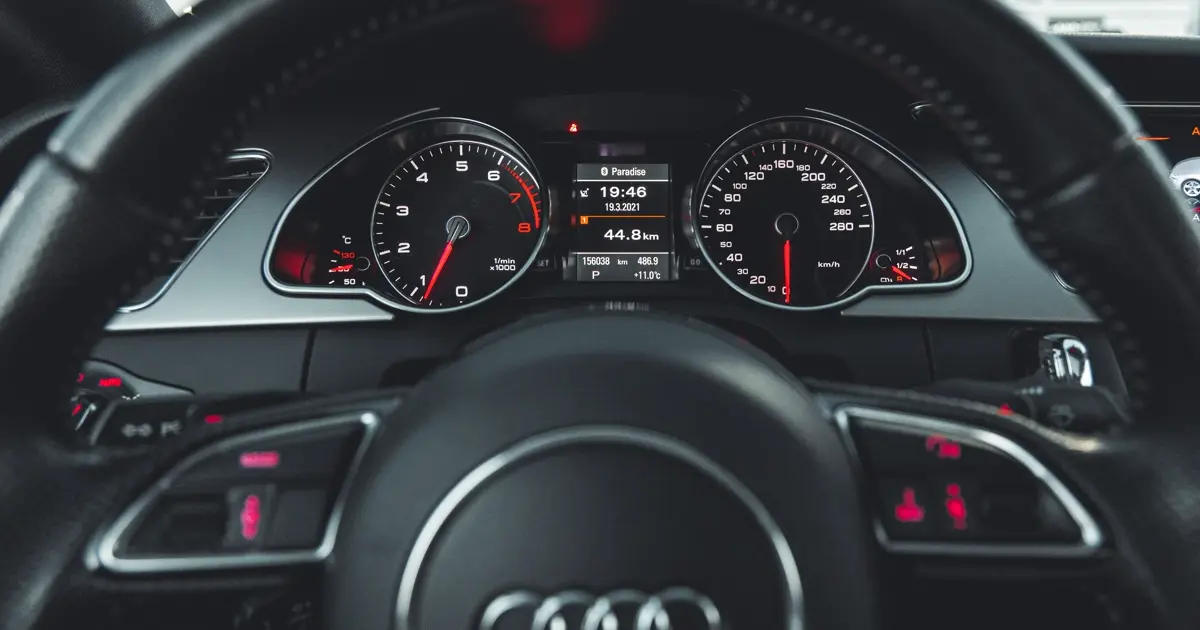
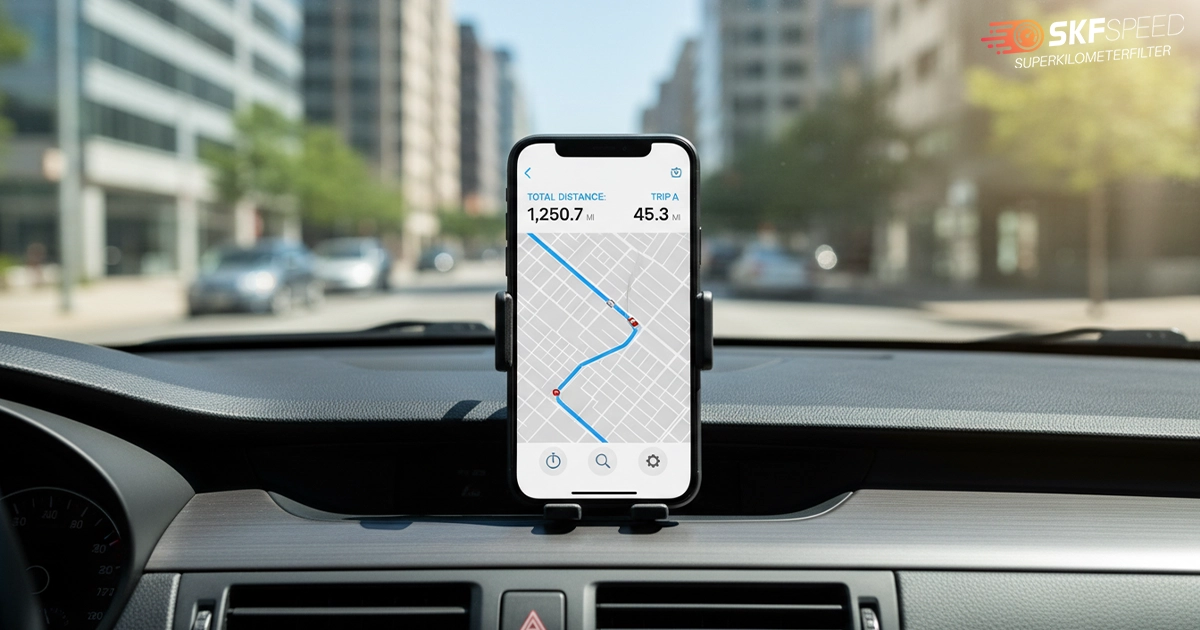
Inaccurate mileage readings are always misleading when judging a vehicle’s condition. So, it’s important to avoid misreading the data. Unfortunately, odometer inaccuracies are very common, and it is important to know how to check mileage accurately.
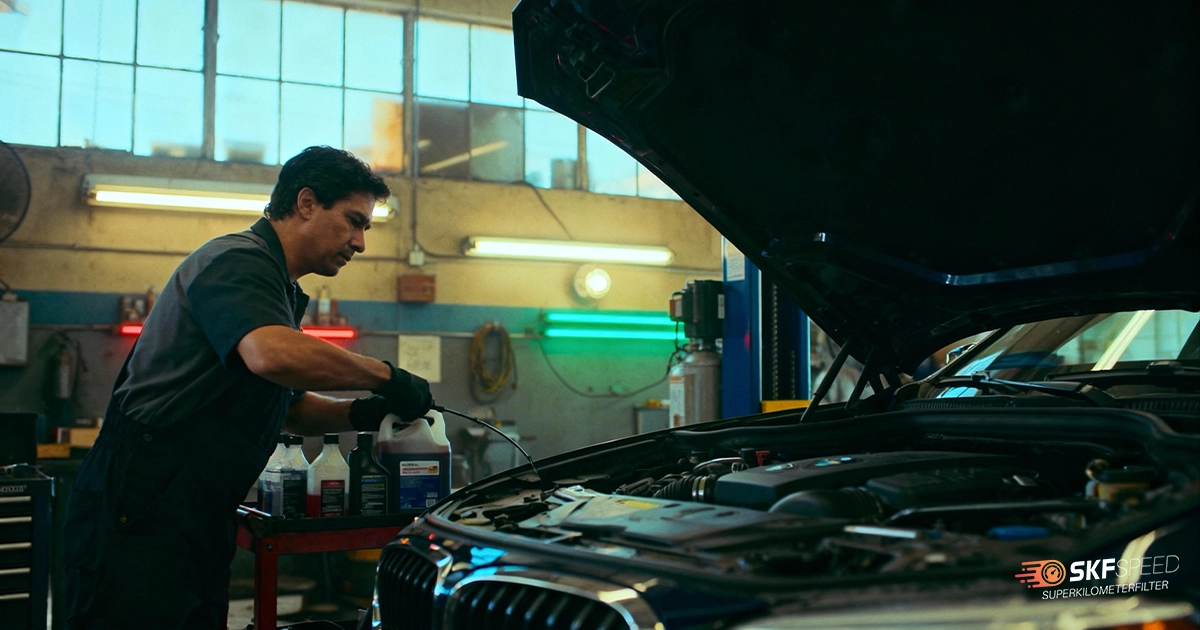
The hidden reason for inaccurate mileage is odometer fraud: changing, resetting, or altering mileage data to represent a lower mileage than it actually is.
Most individuals use various devices to rollback and alter the mileage data. Most devices are available on the market; however, their main flaw is that they are easily detectable.
Some people use advanced devices for malicious purposes. For example, Mileage Blocker is an advanced testing tool designed to halt mileage recording across all control units and it is undetectable. However, many individuals use the device to deceive potential buyers about the mileage data.
Mileage blocker is designed to stop mileage recording across all control units without leaving a trace. The device is made of high-quality components and is compatible with most makers and models. The product is superior for several reasons:
You can purchase the Mileage Blocker directly from the Super Kilometer Filter website. For any questions, feel free to contact the support team anytime.
Cars can travel many miles without major issues when well-maintained. Other important criteria include a reliable, durable brand, good driving habits, and an optimal climate. If you consider everything and take good care of your automobile, it will reach the highest mileage. So, choose wisely when you purchase it, and never ignore small repairs if you want to rely on your automobile in the long run!





Here you will find all the details about our company
Here you will find shipping and return related information
Here you will find information on all technical questions
Here you will find helpful information about installation




 Deutsch
  Русский
  Español
  Italiano
  Français
  Portuguese
  Türkçe
  Ελληνικά